"Razumkov Center reports a decline in the share of Orthodox Christians in Ukraine
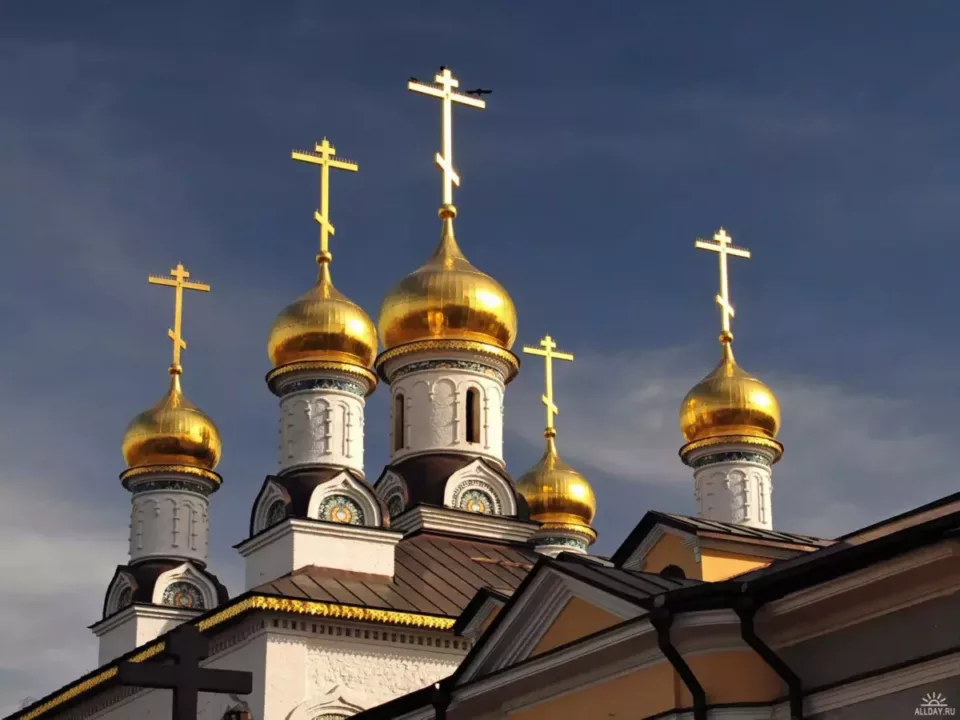
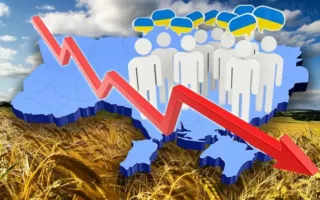
According to the Razumkov Center, the religious landscape in Ukrainian society has changed significantly during the years of full-scale war. There has been a decrease in the percentage of Orthodox believers, along with an increase in the number of those who identify themselves as “just Christians” or do not belong to any religion. This is reported in a report by the Razumkov Center.
In 2025, 10% of respondents called themselves “just Christians,” 3% identified themselves as Protestants, 1% as Roman Catholics, and 0.4% as other religions. It is noteworthy that 15.5% of respondents stated that they did not identify themselves with any religious faith, indicating a growing secularization or search for new forms of spirituality.
As noted by the Razumkov Center, self-determination has a pronounced regional specificity. The largest share of Orthodox Christians is characteristic of the Central region (67%), followed by the South (61%) and the East (56%). In the West of the country, the share of Orthodox Christians is 45%, but a significant number (40%) of residents identify themselves as Greek Catholics. The Southern region also has a large number of “just Christians” (23%), and the Eastern region has a high percentage of those who do not identify themselves with any religion (30%).
The tendency for the number of believers to increase with age is also confirmed in the question of belonging to Orthodoxy: the share of Orthodox Christians increases from 46% among young people aged 18-24 to 61-62% in middle and older age groups (40 years and older). Accordingly, the younger the respondents, the higher the number of those who do not belong to any religion (26.5% among people under 25).
Tangible changes are also taking place in terms of church self-determination of Orthodox believers. Since 2010, the number of those who identify themselves as the UOC has been steadily decreasing (from 24% in 2010 to 12% in 2018), while the number of UOC-KP believers has been increasing (from 15% in 2010 to 29% in 2018).
In 2020, the number of OCU believers was lower (20%) than the number of UOC-KP believers in 2018, which, according to the Razumkov Center, reflected the disorientation of many believers after the statements of Patriarch Filaret. However, during this period, the number of citizens who identified themselves as “simply Orthodox” increased significantly (from 23% in 2018 to 27% in 2020).
After the start of Russia’s full-scale aggression against Ukraine, there were dramatic shifts: the share of OCU believers increased sharply to 36% in 2022 and to 42% in 2023 and 2025. At the same time, the number of those who identify themselves as believers of the UOC has decreased dramatically – from 13% in 2021 to only 5% in 2025. The share of “just Orthodox” has also decreased significantly – from 27% in 2020 to 10% in 2025, indicating a clearer church self-identification of believers.
In 2025, the largest share of OCU believers is recorded among residents of the Central region (53%), in the South – 40%, in the East – 37%, and in the Western region – 30%. UOC believers are most represented in the Western region (10%), while in the Central and Eastern regions their share is 4%, and in the South – 3%. The lowest number of “simply Orthodox” is in the Western region (4%), while in the South their share reaches 17.5%.
As explained by the Razumkov Center, the regional affiliation of respondents was determined by their place of residence before the start of full-scale Russian aggression. The Western regions include Volyn, Zakarpattia, Ivano-Frankivsk, Lviv, Rivne, Ternopil, Chernivtsi; the Central regions include Kyiv, Vinnytsia, Zhytomyr, Kyiv, Kirovohrad, Poltava, Sumy, Khmelnytsky, Cherkasy, Chernihiv; the Southern regions include Mykolaiv, Odesa, Kherson; and the Eastern regions include Dnipro, Zaporizhzhia, Kharkiv, Donetsk, and Luhansk.
Earlier, we reported that the State Service of Ukraine for Ethnic Policy and Freedom of Conscience (DESS) accuses the Kyiv Metropolis of the Ukrainian Orthodox Church (UOC) of delaying the trial in the case concerning the DESS order to withdraw the Metropolis from the Russian Orthodox Church (ROC).
Read also