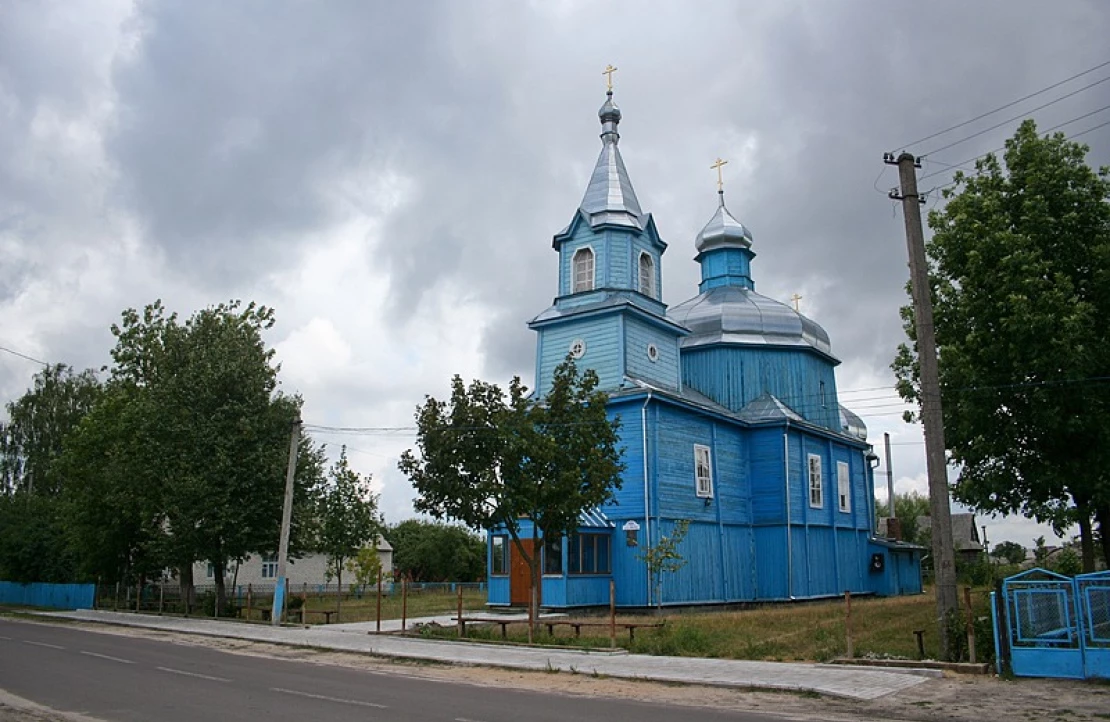
A lawmaker proposed granting local communities the right to determine the jurisdiction of churches
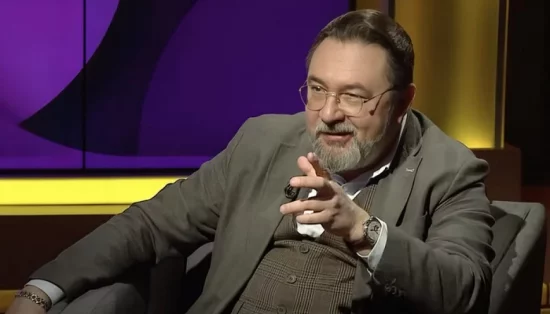
Mykita Poturaev, chairman of the Verkhovna Rada Committee on Humanitarian and Information Policy, has proposed granting local city communities the right to decide on the religious affiliation of churches. This proposal was announced during a conference at Ukrinform.
The parliamentarian called on the mayors of Ukraine’s largest cities, including Kyiv, Kharkiv, Odesa, and Dnipro, to rely on residents’ religious self-identification when deciding on the transfer of religious buildings for use. “Let the communities decide, based on their religious self-identification, to whom the city should grant the use of specific religious sites,” Poturaev stated. He emphasized that many churches are municipally owned and that city authorities must take into account the opinion of the entire local community, not just members of specific religious organizations.
However, the deputy’s initiative drew criticism due to its non-compliance with current legal norms. According to Article 8 of the Law “On Freedom of Conscience and Religious Organizations,” a decision to change the religious community’s affiliation may be adopted exclusively by a general meeting of the members of the religious community itself. The law does not grant local communities or local government bodies the authority to interfere in matters of religious jurisdiction. Experts note that the implementation of the proposed mechanism could lead to a review of rights to church property on political grounds, which contradicts the principle of the separation of church and state.
As a reminder, we previously reported that a meeting of the Temporary Control Commission (TCC) was held at the Volyn Regional Council, during which “problematic issues regarding the transition of religious communities” to the OCU were discussed. Due to procedural difficulties and conflicts identified in several districts of the region, deputies intend to initiate amendments to relevant Ukrainian legislation to protect the interests of the OCU.
Read also