Metropolitan Luke called for a return to conciliarity and inter-Orthodox dialogue
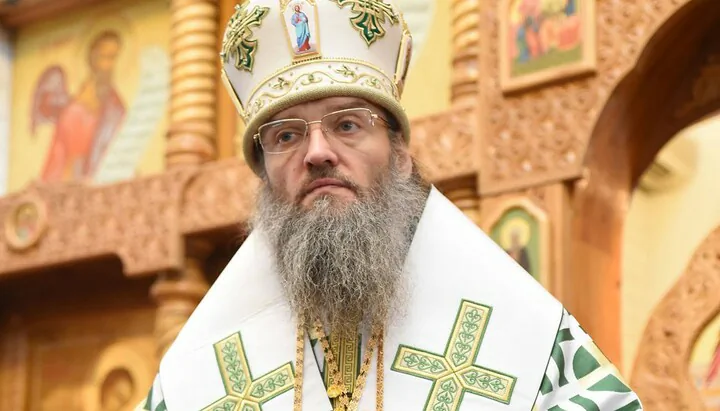
Metropolitan Luke of Zaporizhzhia and Melitopol, a hierarch of the Ukrainian Orthodox Church, shared his views on the current church agenda, which is raising the question of the nature of primacy in the Orthodox world with increasing urgency. As the bishop notes, the debate over whether primacy is a matter of honor or power requires a public and consistent defense of the principle of “first among equals” (primus inter pares). In his view, it is important to recognize that this approach is shared not only by representatives of individual local Churches but also by many Greek and Athonite theologians, which lends the argument particular weight and a pan-Orthodox character.
As Metropolitan Luke asserts, the danger of the current situation lies in attempts to reduce deep ecclesiological disagreements to temporary misunderstandings between the two Churches, which are often exploited to serve the interests of certain parties. He considers the position of Metropolitan Job (Gechi), who interpreted the Great Schism of 1054 as a mere misunderstanding, to be a striking example of such a reduction.
The publication emphasizes that no ecclesiastical controversy should take the place of pastoral care for the faithful. The Church’s priorities remain prayer, the Sacraments, and charity, rather than dragging God’s people into political conflicts or turning the Liturgy into a platform for protest. Criticism of ecclesiastical decisions must be based exclusively on canonical documents, facts, and dogmas, avoiding the temptation of conspiracy theories that undermine the intellectual and spiritual integrity of the discussion.
The Metropolitan’s concluding appeal emphasizes the need for a Pan-Orthodox Council, at which decisions would be made by consensus rather than through top-down imposition. Maintaining a measured tone and upholding the principle of conciliarity are necessary not to diminish the authority of Constantinople, but to restore the ability of the entire Church to engage in constructive dialogue and make decisions collectively.
Read also