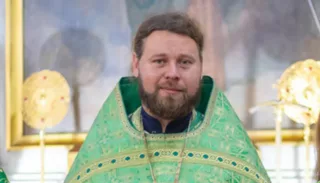
Earlier, we reported that the Security Service of Ukraine in Zhytomyr region served a notice of suspicion to a priest of the Korosten-Ovruch Diocese of the Ukrainian Orthodox Church. According to the investigation, the priest preached sermons in which he allegedly justified Russia’s attack on Ukraine and urged people not to respond to the slogan “Glory to Ukraine.”
UOC priest suspected of spying for Russia is on trial in Kharkiv region
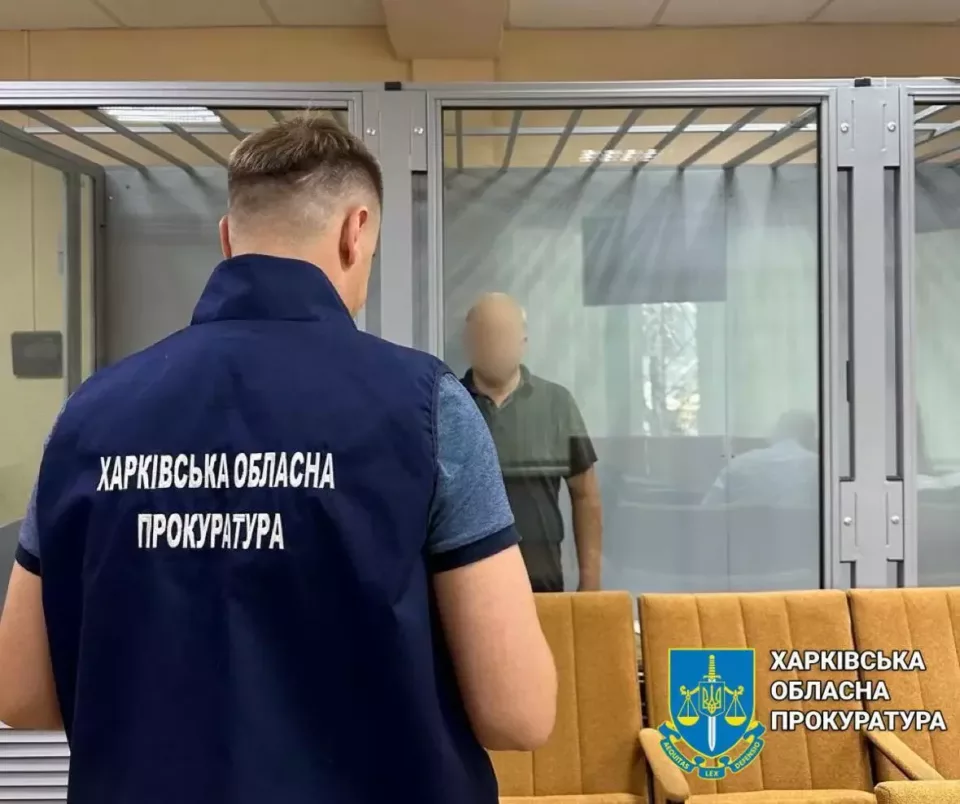
The Kharkiv Regional Prosecutor’s Office has submitted to the court the materials in the criminal proceedings against a clergyman of the Ukrainian Orthodox Church, detained in November 2024 on charges of spying for Russia. According to the investigation, the priest allegedly “tried to establish the approximate number of personnel and available weapons at Ukrainian checkpoints near Kharkiv.” This was reported by the website Obozrevatel.
The prosecutor’s office said that they had approved and submitted to the court an indictment against the defendant on the fact of transferring information constituting a state secret to a foreign state, foreign organization or their representatives (Part 1 of Article 114 of the Criminal Code of Ukraine). According to the investigation, the priest of the UOC, no later than July 2024, established contact with an employee of the Russian special service. From him, the defendant received a task to collect data on the movement of military equipment and personnel of the Ukrainian army by rail in the Kharkiv region.
The priest allegedly involved his acquaintance, an employee of Ukrzaliznytsia, who had access to an automated database, including information on departure and arrival times, routes of trains transporting military equipment and personnel of the Armed Forces of Ukraine in Kharkiv, Poltava and Sumy regions. The railroad worker passed this information to the priest, who sent it to the Russian curator in the form of marks on Google maps.
The priest will be tried in the Ordzhonikidze District Court of Kharkiv. If his guilt is proven, he faces up to 15 years in prison with confiscation of property.
Read also