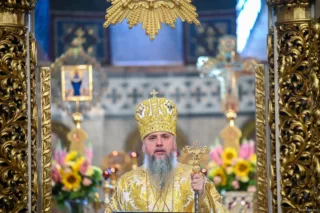
Dumenko on the creation of the OCU: "We have returned three divided branches to a single canonically correct structure"
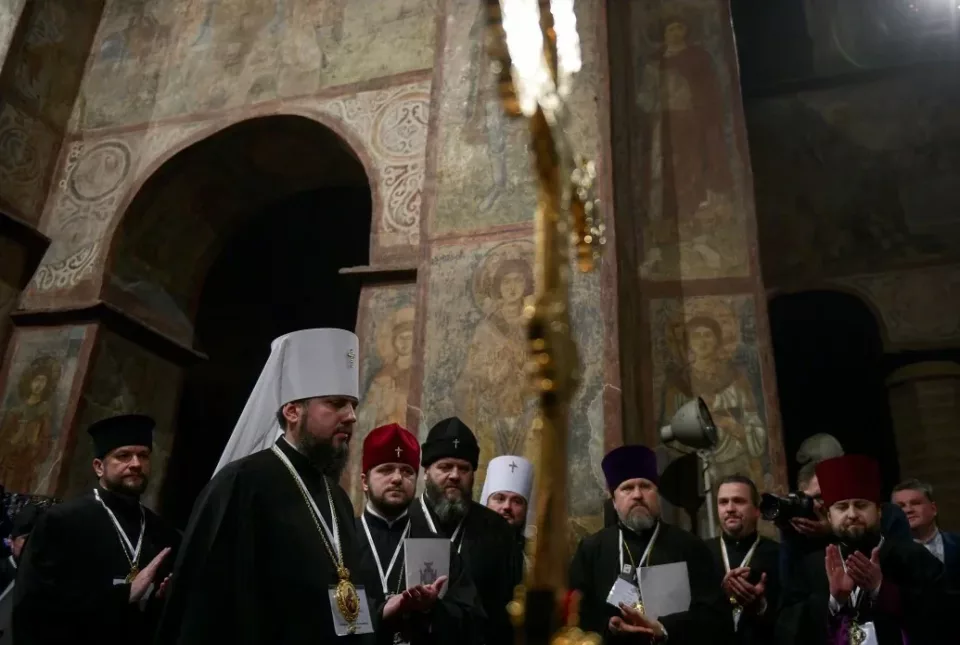
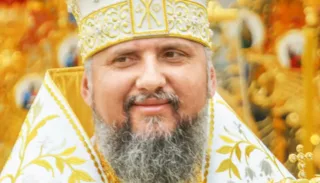
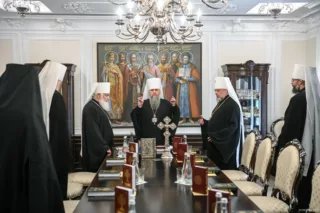
The head of the OCU, Epiphany Dumenko, celebrated the seventh anniversary of the so-called Unification Council of 2018, which, according to him, “overcame the external artificial isolation and internal divisions of Ukrainian Orthodoxy.” This “historic event,” according to Dumenko, “returned the three divided branches to a single canonically faithful structure – the Local Orthodox Church of Ukraine, which has become one of the cornerstones of an independent state.”
In his statement on the anniversary of the council, Dumenko emphasized that the event was in fact the beginning of the birth of the OCU. The creation of the structure was unanimously supported by all the delegates of the Council, including the leaders of the UOC-KP, UAOC and individual representatives of the UOC.
“The Unification Council has overcome the external artificial isolation of Ukrainian Orthodoxy and its internal divisions: we have returned the three divided branches to a single canonically faithful structure – the local Orthodox Church of Ukraine. The Church, which received the Tomos of autocephaly from His All-Holiness Ecumenical Patriarch Bartholomew and the Holy and Sacred Synod of the Ecumenical Patriarchate,” said the head of the OCU.
He added that the OCU is “a good and blessed fruit of many centuries of labor, prayer and struggle, and now, as an approved autocephalous local church, it continues the work of its predecessors.” Dumenko is convinced that the “unification” of the UOC-KP and the UAOC has made the organization stronger and helped it earn credibility and respect in the eyes of Ukraine’s international partners.
Recently, the head of the Department for External Church Relations of the Moscow Patriarchate, Metropolitan Anthony (Sevriuk) of Volokolamsk, named three key motives behind the creation of the OCU by the head of Phanar. According to him, these are external pressure on Patriarch Bartholomew of Constantinople, his personal resentment and sense of revenge, and “papist” ambitions.
Read also