OCU lobbyist criticizes law banning UOC
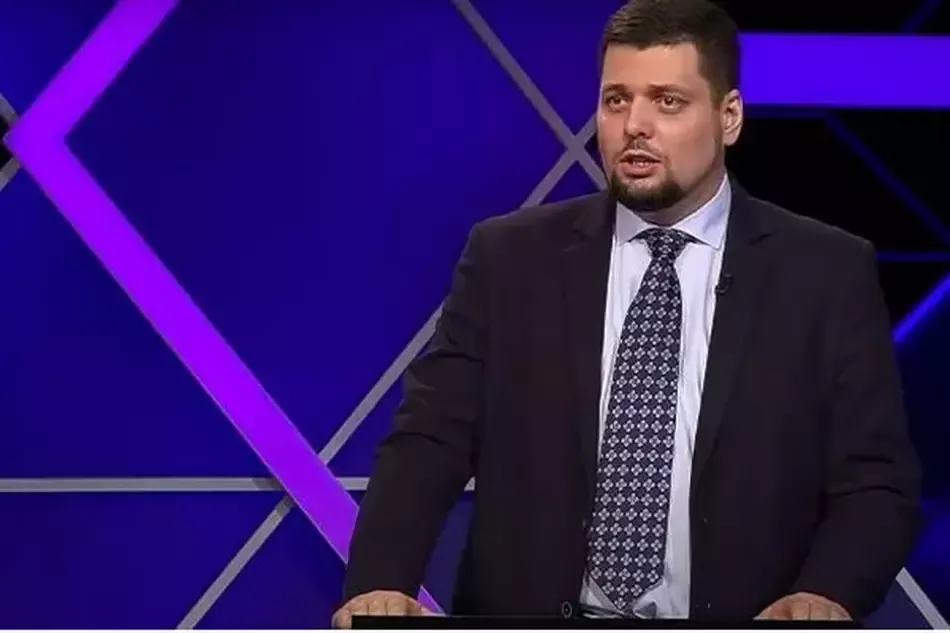
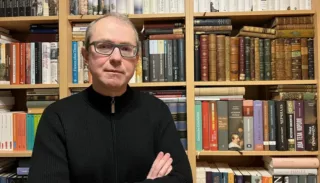
OCU media lobbyist Andriy Kovalev has expressed serious criticism of the law banning the Ukrainian Orthodox Church (UOC), claiming that the State Service of Ukraine for Ethnic Policy and Freedom of Conscience (DESS) did not develop this document in the interests of the state. According to him, the proposed strategy to combat the UOC is erroneous and potentially dangerous, capable of pushing millions of believers underground. He said this in an interview with a journalist of Channel 5.
Kovalev noted on Channel 5 that back in 2022, President Vladimir Zelensky was imposed a strategy to counteract the UOC, which he called “erroneous and, in fact, hostile.” The religious scholar emphasized that the proposed model provides for the deregistration of about 8,000 communities, which, however, will not cease to exist.
Kovalev warned that “millions of believers will not disappear. More than a hundred bishops and several thousand priests will not dissolve. They are simply being pushed underground.” He considers such a strategy to be absolutely ineffective and one that carries significant risks for statehood, since the transfer of the country’s largest religious community from the public and legal field to an illegal state does not meet the national interests of Ukraine.
“I don’t know what guided these people in President Zelensky’s environment, who imposed their alleged professionalism on him… In general, this strategy is hostile and completely ineffective,” Kovalev said. He directly accused the State Service for Ethnic Policy and Freedom of Conscience, which drafted the bill, of acting not in the interests of Ukraine, but of those who imposed this strategy on the president. According to him, the removal of a religious organization from the legal field and its transfer to the status of an underground organization clearly does not serve the interests of the state.
Earlier, Andriy Kovalev said that there can be no automatic accession of several million Ukrainians from the UOC to the OCU, as they are no longer ready to unite with Dumenko’s structure. Kovalyov noted that there is currently virtually no communication between the state and believers, while they keep in touch with their spiritual mentors, who “create a sense of persecution in them.”
Read also