Vadym Novinsky said the Office of the President put pressure on MPs when adopting the law on banning the UOC

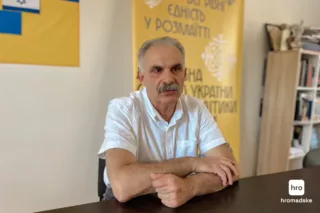
Former MP and protodeacon of the Ukrainian Orthodox Church (UOC) Vadym Novynskyy has made statements that the law aimed at the de facto ban of the Ukrainian Orthodox Church was adopted by the Verkhovna Rada under severe pressure from the leadership of the presidential office and law-enforcement agencies. According to the clergyman, deputies were forced to vote using methods of intimidation. He said this in an interview with the Spanish channel HerQles.
Novinsky claims that the parliamentarians did not act according to their convictions. He emphasized that the process was led personally by the head of the Presidential Office, Andriy Yermak, using a system of “carrot and stick”: dissenters were threatened with criminal prosecution, while those who supported the initiative were promised preferential treatment.
Novinsky characterized the current situation in the country as a “vertical of fear,” in which any criticism of the authorities or dissent is immediately suppressed by sanctions and pressure from the security forces. In his opinion, such a system allowed the government and parliament to be fully controlled, ensuring the unimpeded passage of any decisions needed by the authorities, including those that violate the rights of believers.
At the moment, the law banning the Church is the subject of legal proceedings. The Protodeacon expressed hope that the judges will show conscience and will not allow the final ban. “It is impossible to fight the Church. If there is an official ban – we will pray, somehow find a way to serve God and people,” summarized Novinsky.
We will remind, earlier, the former press Secretary of the President of Ukraine Vladimir Zelensky, Julia Mendel, published a detailed material, in which she claims that the former head of the Office of the President Andriy Yermak practices magic rituals and resorts to the services of foreign magicians. According to her, suspicions about Yermak included visits to a cemetery, communication with foreign sorcerers, and the use of artifacts such as dolls with water from corpses.
Read also