U.S. KFOR soldiers embraced Orthodoxy in a Serbian monastery in Kosovo
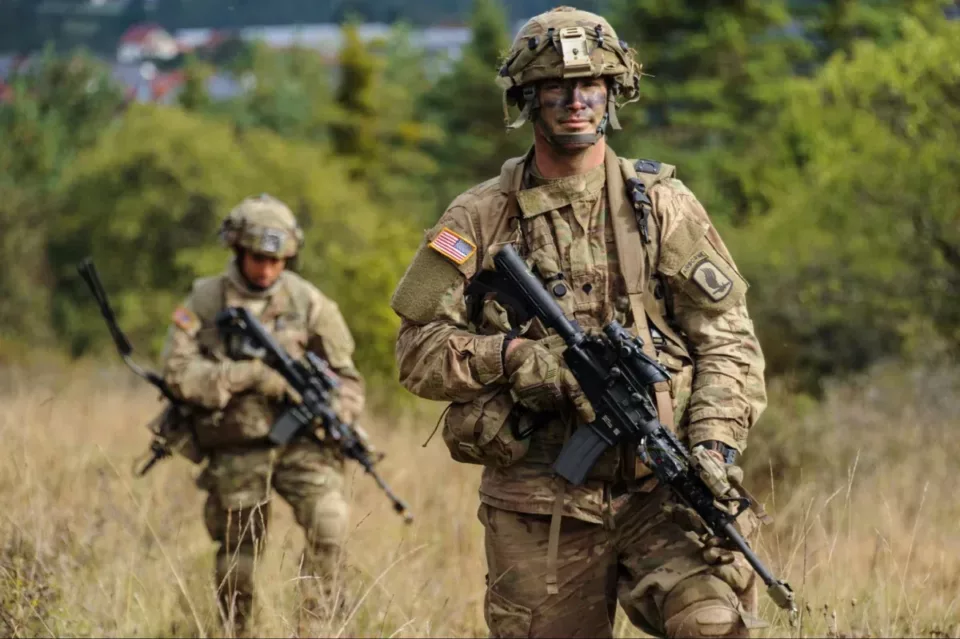
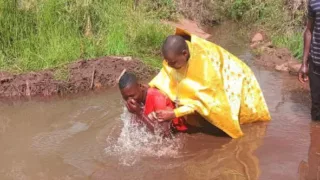
Two American soldiers from the NATO (KFOR) mission in Kosovo officially converted to the Orthodox faith by receiving the sacrament of baptism at the Draganac Monastery. This event, which has deep spiritual and symbolic implications, marked their entry into the fold of the Serbian Orthodox Church.
According to the Greek edition of Vima Orthodoxias, the ceremony took place on Easter Eve. The soldiers, who served as part of an international peacekeeping mission, were baptized with the names Sava and Simeon in honor of the great saints and founders of the Serbian spiritual tradition. According to the soldiers themselves, this decision was the result of a long internal search and was not accidental.
The key factor that influenced the Americans’ choice was their experience with local believers and their visits to holy places in Kosovo and Metohija. The servicemen admitted that they were struck by the sincerity and depth of faith of the people coming to the Draganac Monastery. “We saw something authentic and alive. This is not just a religion, it is a way of life,” they noted in comments to local media.
The converts’ words about the events of 1999, when the NATO military operation caused serious damage to Serbia, had a special resonance. The soldiers emphasized that their decision to accept Orthodoxy in the Serbian monastery was “the least they could do” in the context of the historical past, giving their action the character of an act of reconciliation.
The baptismal ceremony took place in the presence of the monks and parishioners, underscoring the Draganac Monastery’s status as an important spiritual center of the region. This case demonstrates how faith can serve as a bridge between representatives of different cultures and peoples, contributing to the search for spiritual peace amid geopolitical tensions.
Recall, earlier we reported that a new sociological study in the United States revealed growing contradictions in the views of Americans on the Bible and the foundations of the Christian faith. According to the results, almost half of the respondents consider the Holy Scripture a collection of myths, not the Word of God. At the same time, a significant proportion of respondents also doubt the divinity of Jesus Christ, although they recognize the Bible as an authoritative guide to life.
Read also