Gallup Poll: Fewer and Fewer Americans Believe Religion Is Beneficial to the Country
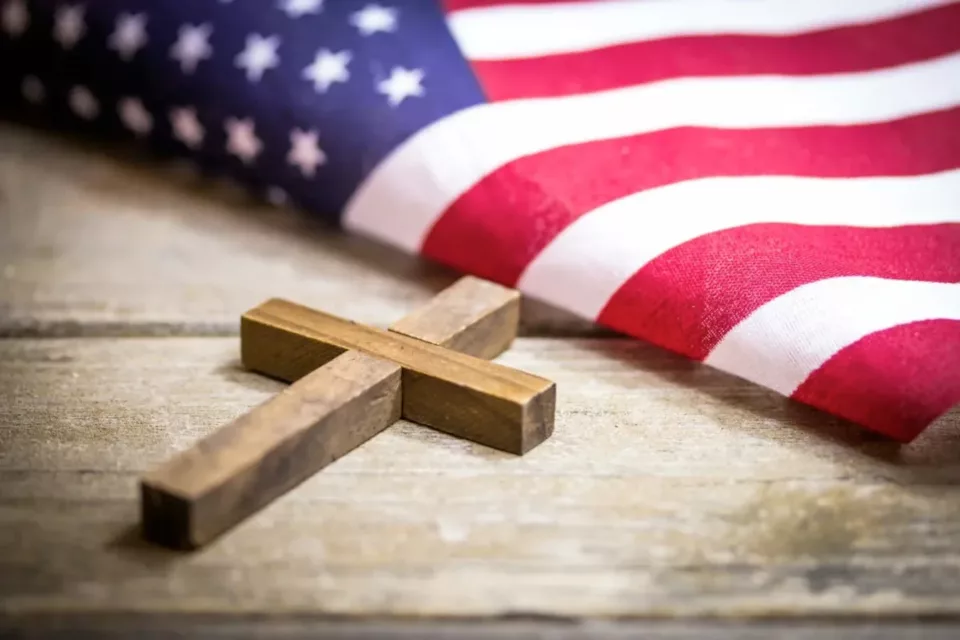
According to a new Gallup poll, a majority of Americans still believe that an increase in religiosity in society would be beneficial for the country; however, the percentage holding this view has declined from 75% in 2013 to 65% today. At the same time, the percentage of those who believe that greater religiosity would have a negative impact on society has risen from 17% to 22%.
According to Christian Today, changes in public opinion are uneven across different demographic groups. Among Republicans and Catholics, the proportion of those who believe religion is beneficial for the country has actually increased. However, among women, people aged 18–34, those with less than a college degree, and Democrats, there has been a significant decline—by 16%. Even among those who attend religious services weekly, the proportion of people who believe religion is beneficial to the country has decreased by 5%.
The survey also showed that all demographic groups increasingly believe that government policy influences moral values. Since 2006, the proportion holding this view has risen from 59% to 69%. The largest increase—19%—was observed among young people aged 18–34 and those with no religious affiliation. Opinions among people aged 35–54 have changed the least—from 61% in 2006 to 63% this year.
Gallup notes that, although Americans still believe a religious society would be beneficial for the U.S., the proportion of those who support this idea is declining amid historically low levels of religiosity in the country. Society is divided along party and religious lines on the question of whether the government should promote moral values, but even here, the proportion of people who support this idea is lower than it was three decades ago. At the same time, more and more Americans believe that public policy can influence moral values.
Read also