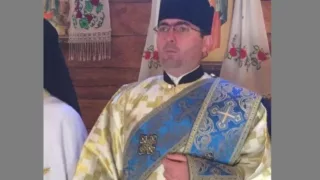
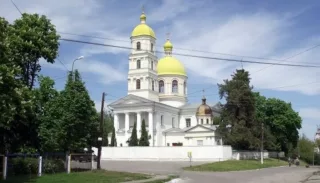
The Kyiv Prosecutor's Office has expropriated a church belonging to the Ukrainian Orthodox Church that was seized a year ago by representatives of the Orthodox Church of Ukraine
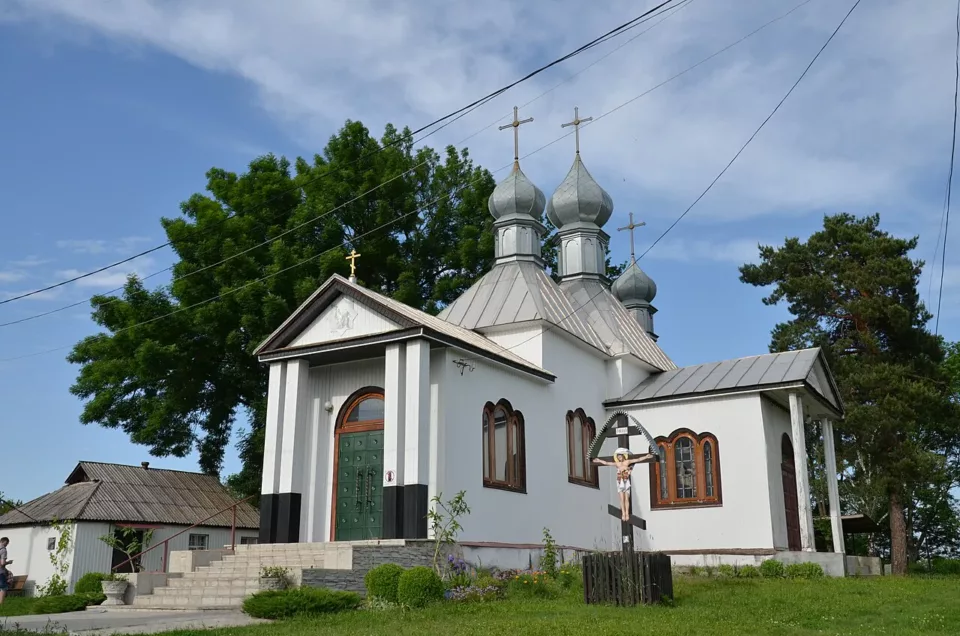
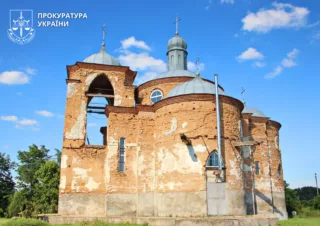
The Kyiv Regional Commercial Court upheld the position of the prosecutor’s office, ruling in favor of “protecting an architectural monument” of national significance—the Trinity Church, built in 1750 and located in the village of Busheve. It is worth noting that this church belonged to the Ukrainian Orthodox Church for a long time and was only seized in 2025 by representatives of the OCU with the support of the far-right paramilitary organization “Brotherhood.” According to and the Kyiv Regional Prosecutor’s Office, the certificate of private ownership of this cultural heritage site was declared invalid by a court ruling.
During the court proceedings, prosecutors successfully demonstrated that the Trinity Church, as one of the most outstanding examples of 18th-century wooden architecture in Right-Bank Ukraine, must remain exclusively in state ownership. There were no legal grounds for transferring the monument to a religious organization, and permission to dispose of property of national significance was never granted.
In addition to revoking the ownership rights, the court ruled to close the relevant section in the State Register of Property Rights, where entries regarding private ownership had been illegally recorded. According to a statement by the prosecutor’s office, the registration of such rights directly contradicted the requirements of Ukrainian legislation, in particular the laws “On Freedom of Conscience and Religious Organizations” and “On the Protection of Cultural Heritage.”
As a reminder, we previously reported that the Commercial Court of Cassation in Kyiv will hear the case regarding the ownership of the church of the Odesa Diocese of the Ukrainian Orthodox Church (UOC) , dedicated to the Kursk-Root Icon of the Mother of God “The Sign”. The prosecutor’s office insists that the building be recognized as state property, despite the fact that courts of two instances had previously confirmed the religious community’s right of ownership.
Read also