Estonia is legally severing the administrative ties between churches and the Moscow Patriarchate, according to a spokesperson for the country's Ministry of the Interior
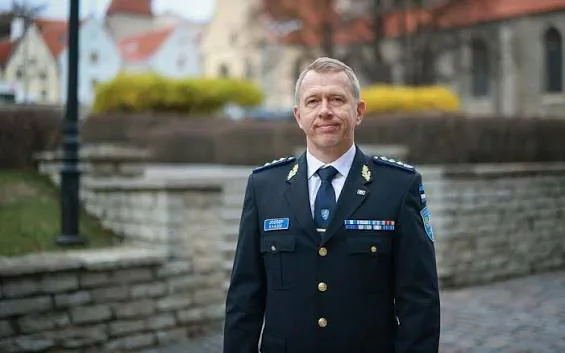
Estonian authorities have enshrined in law a requirement that religious organizations sever administrative ties with foreign centers that support aggression and terrorist activities. According to Libertas Fidei, the Estonian Supreme Court has upheld the legality of amendments to the Law on Churches and Parishes, which require religious associations—including the Estonian Orthodox Church—to permanently sever their administrative ties with the Moscow Patriarchate. Joosep Kaasik, Vice-Chancellor for Internal Security at the Estonian Ministry of the Interior, spoke about this in an interview with “Radio Liberty” .
The official emphasized that society should not tolerate a situation “ in which church structures receive instructions from Moscow—from an organization that openly supports the war against Ukraine.” Under the new rules, religious organizations are required to bring their charters and governance structures into compliance with national security requirements by December 28, 2026.
Previously, the constitutionality of these amendments was the subject of lengthy debates, in which the country’s president, Alar Karis, was involved. Nevertheless, now that the parliament (Riigikogu) has passed the law and the court has confirmed its legality, the possibility for formal or “cosmetic” changes to the charters of religious organizations has been exhausted. As Interior Minister Igor Taro notes, concrete steps are now required to achieve administrative separation from external centers of influence.
Estonian authorities emphasize that the law is preventive in nature and concerns the country’s long-term security. The annual reports of the Security Police (KaPo) have repeatedly pointed out that the activities of organizations subordinate to the Moscow Patriarchate pose risks to national stability, and that the Patriarchate itself uses religious rhetoric to justify aggression. In response, the Russian Foreign Ministry lodged a protest, calling Tallinn’s actions “discriminatory,” but the Estonian side insists on the need to protect sovereignty and democratic principles.
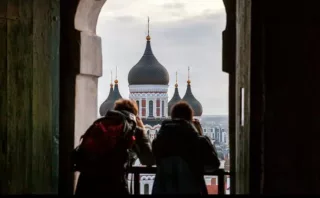
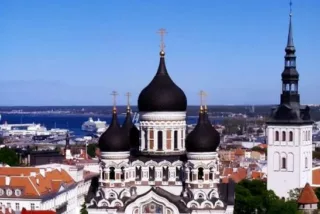
As a reminder, the Russian Orthodox Church has sharply criticized initiatives by the Estonian authorities aimed at revising ownership rights to the country’s main cathedral. The conflict was triggered by a proposal from Estonian Interior Minister Igor Taro to terminate the agreement regarding the free use of the Alexander Nevsky Cathedral in Tallinn.
Read also