The World Council of Churches has expressed concern about the situation surrounding the Armenian Apostolic Church
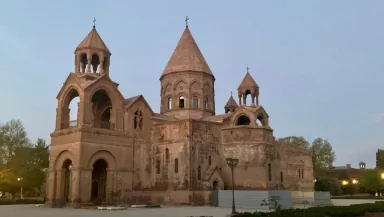
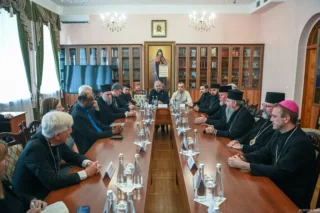
The World Council of Churches (WCC) has issued an official statement of support for the Armenian Apostolic Church (AAC) amid a long-standing and intense standoff between the religious organization and the Armenian government. According to Christian Today, the WCC leadership expressed serious concern over the government’s unlawful interference in the church’s internal affairs.
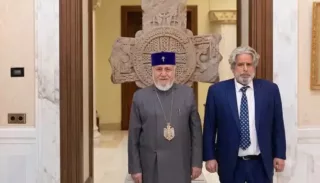
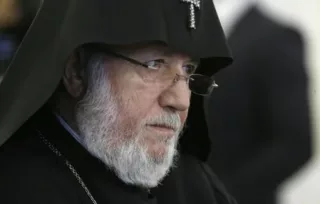
The conflict between Prime Minister Nikol Pashinyan’s government and the clergy has significantly intensified following Armenia’s defeat in the Second Karabakh War of 2020. Supporters of the church allege politically motivated persecution, noting that a significant number of bishops have been arrested and that the head of the church—Catholicos of All Armenians Garegin II—is barred from leaving the country. Critics of Armenia’s current leadership draw parallels with the dictatorial methods of the Soviet era.
For their part, the Armenian authorities accuse the church’s top clergy of attempting a coup d’état and supporting extremist rhetoric. Specifically, in September 2025, Archbishop Mikael Adjapakhian was sentenced to two years in prison for publicly calling for the overthrow of the government, which the prosecutor’s office deemed anti-state activity.
A new phase in the conflict began with a court hearing on August 7, at which Garegin II and six high-ranking clergy members appeared in court for refusing to comply with a ruling to reinstate Bishop Gevorg Saroyan. If found guilty, the clergy members face up to two years in prison. In response to the escalating tensions, the leadership of the Supreme Council of Churches emphasized the historical and cultural significance of the Armenian Apostolic Church for the Armenian people and called for an end to interference in church affairs.
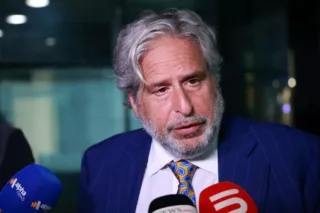
It should be recalled that international lawyer Robert Amsterdam issued a strongly worded statement accusing the Armenian leadership of attempting to subordinate the Armenian Apostolic Church to state structures. According to the human rights advocate, the republic’s authorities’ current actions resemble the “Ukrainian scenario” and violate international norms regarding religious freedom and human rights.
Read also