The head of the DESS was unable to confirm that the Ukrainian Orthodox Church is controlled from Moscow
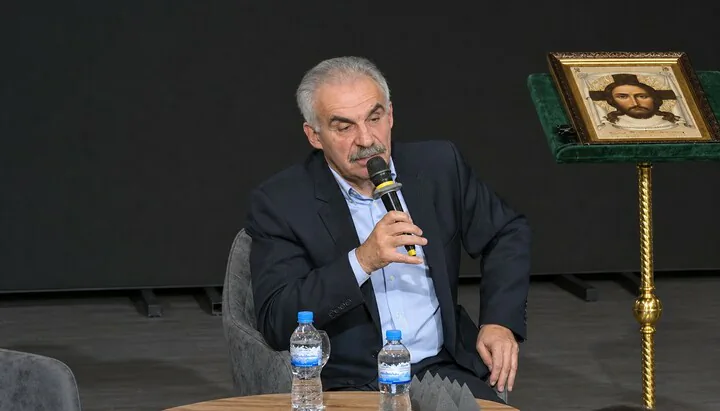
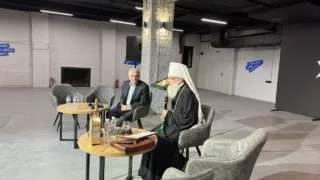
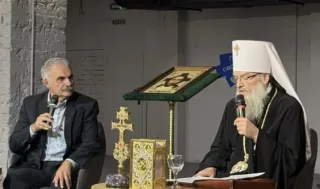
During a meeting with clergy from the Zaporizhzhia Diocese, Viktor Yelensky, head of the State Service for Ethnopolitics and Freedom of Conscience (DESS), was unable to provide specific examples of how the Moscow Patriarchate controls the Ukrainian Orthodox Church (UOC). The debate arose during a discussion of the church’s legal status and its alleged dependence on the Russian Orthodox Church.
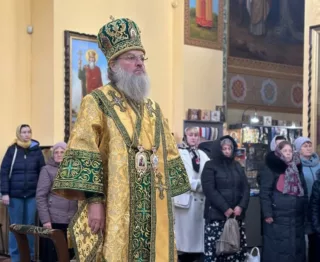
During the dialogue, Metropolitan Luke emphasized that the UOC enjoys full autonomy, a status enshrined as far back as the 1990 Charter. According to the bishop, over decades of service he has not received a single directive from Moscow, and all key issues are resolved by the UOC’s internal governing bodies—the Synod and the Council. In response to a request from meeting participants to cite at least one instance of interference by the Moscow Patriarchate in the affairs of the UOC since February 24, Viktor Yelensky did not provide any facts, noting only that he “wants to be convinced” of the absence of such interference.
The official referred to Patriarch Kirill’s public statements but was unable to provide details or evidence of direct administrative control. An important outcome of the meeting was Yelensky’s acknowledgment that the religious studies expert analysis by the State Expert Security Service (DESS)—on which the accusations against the UOC are based—relies on the statutes of the Russian Orthodox Church rather than on current UOC documents. At the same time, the decisions of the UOC Council in Feofaniya—which officially severed ties with the Russian Orthodox Church—are effectively ignored in the expert analysis.
As a reminder, we previously reported that the State Service of Ukraine for Ethnopolitics and Freedom of Conscience (DESS) intends to file a lawsuit against the Zaporizhzhia Diocese of the UOC if it fails to comply with the order to withdraw from the Russian Orthodox Church (ROC).
Read also