The Search for Noah's Ark: Scientists Have Determined the Age of Wood Fragments Found Near Mount Ararat
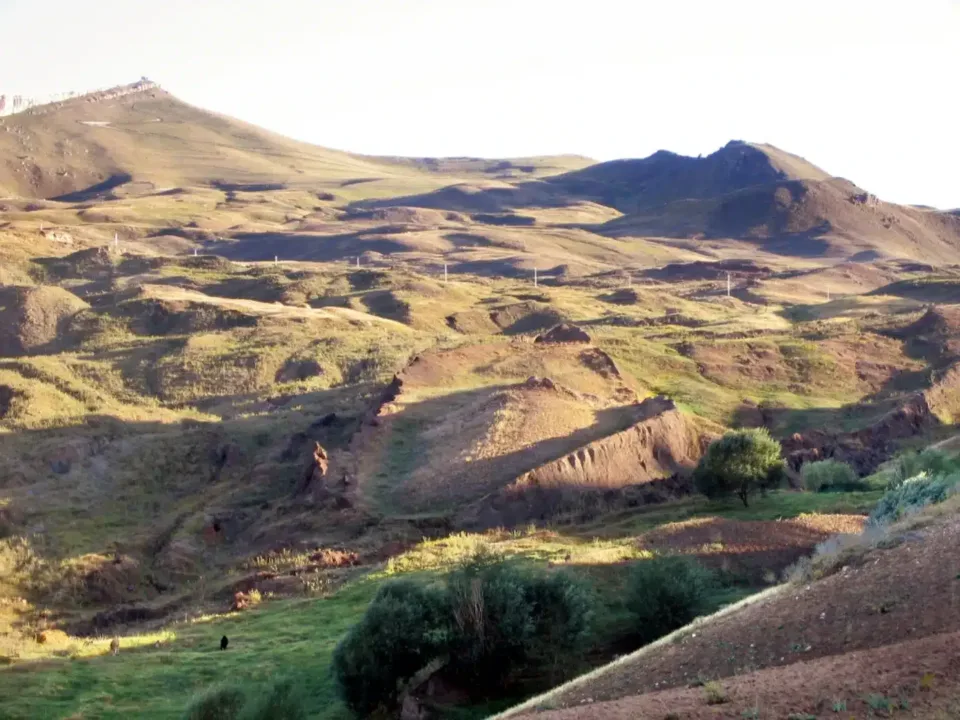
An international team of researchers has presented the results of radiocarbon analysis of charred wood fragments recovered from the Dürupınar Formation in the Mount Ararat region of eastern Turkey. The samples are approximately 4,300 years old, corresponding to the period between 2400 and 2200 B.C., according to the Greek Reporter news agency.
The study’s lead researcher, Sivas University Professor Cumhuriyet Çenker Atila, stated that testing conducted in a U.S. laboratory revealed the presence of annual growth rings and traces of possible manual processing on the wood. Previously, the Noah’s Ark Scans project, led by Andrew Jones, confirmed similar dating results, noting that this time frame coincides with the period often associated with the biblical Flood.
Despite years of attention focused on the Dürupınar Formation due to its resemblance to the outline of a ship, scientists are urging caution. The researchers emphasize that the dating of the wood does not prove a direct connection to the biblical Ark of Noah. Previously, many geologists had leaned toward the theory that the unusual shape of the landscape was explained by natural geological processes.
Currently, a team of experts from five countries is awaiting the results of additional analyses from Switzerland and Turkey, which will help determine the type of wood and the presence of resin traces. A comprehensive scientific report on the team’s methodology and findings will be presented once all laboratory studies are complete, as current fieldwork has been suspended due to the onset of winter.