Viktor Yelensky calls the law banning the UOC “legitimate” and “democratic”
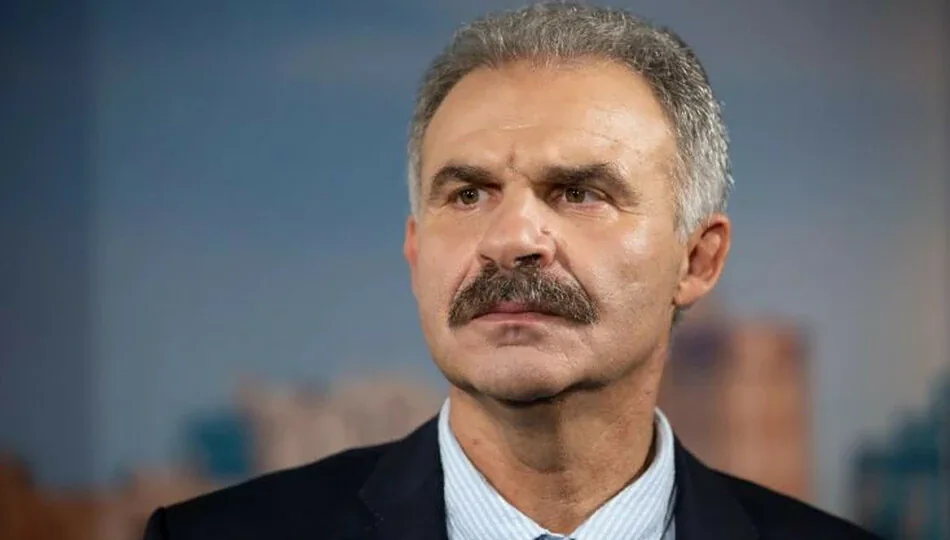
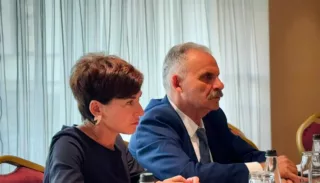
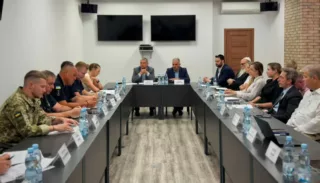
On November 7-8, 2024, Kyiv hosted an international seminar on “Protecting Freedom of Conscience and the Rights of National Minorities (Communities) in the Context of the Start of Negotiations on Ukraine’s Accession to the EU”. The event was organized by the State Service of Ukraine for Ethnic Policy and Freedom of Conscience. The seminar addressed various issues of church-state relations, in the context of which the “Law on the Prohibition of the UOC” was also considered. The head of the GESS, Viktor Yelensky, reiterated that the law is not aimed at banning the UOC, but is intended to force the Church to break ties with the Moscow Patriarchate. This is reported by the SSEFC website.
«The head of the GESS, Viktor Yelensky, focused on the peculiarities of the process of developing and adopting the Law of Ukraine ‘On the Protection of the Constitutional Order in the Field of Activities of Religious Organizations’. He explained that this law is legitimate because it defines a legitimate goal acceptable to a democratic society and is based on a democratic procedure where the final decision belongs to the court. At the same time, the law does not restrict freedom of religion, as subordination to the Moscow Patriarchate is not a prerequisite for the Orthodox faith. Viktor Yelenskyy emphasized that the Ukrainian state does not require the Ukrainian Orthodox Church of the Moscow Patriarchate (UOC-MP) to switch to a different calendar or language of worship, to independently proclaim autocephaly or to join another church. However, given that the Russian Orthodox Church is “an ideological continuation of Putin’s criminal regime,” the UOC-MP is only required to withdraw from the control of the Moscow Patriarchate and provide appropriate evidence of this,» the statement said.
Earlier, we reported that the International Human Rights Organization Human Rights Watch criticized Law No. 3894 (formerly No. 8371), aimed at banning the activities of the Ukrainian Orthodox Church. The organization believes that the law banning the UOC grossly violates human rights to freedom of conscience and, according to its provisions, will make it impossible for Ukraine’s largest religious denomination to function. Human Rights Watch called on the Ukrainian government to stop the implementation of Law No. 3894 and send it to the Venice Commission for legal expertise.
Read also