Earlier, the press service of the Ukrainian Orthodox Church published information on the results of the “expertise” of the State Service of Ukraine for Ethnic Policy and Freedom of Conscience, according to which the affiliation of the UOC with the Moscow Patriarchate was established. The Church notes that DESS came to conclusions about the connection between the UOC and the ROC, referring not to Ukrainian, but to Russian documents, which the State Service took from the website of the Moscow Patriarchate, which is banned in Ukraine. In addition, the DESS “experts” never asked the UOC for explanations regarding certain provisions, which indicates the bias of the examination and its conclusions.
The Statute of the UOC does not provide for any ties with any religious centers, - Metropolitan Clement
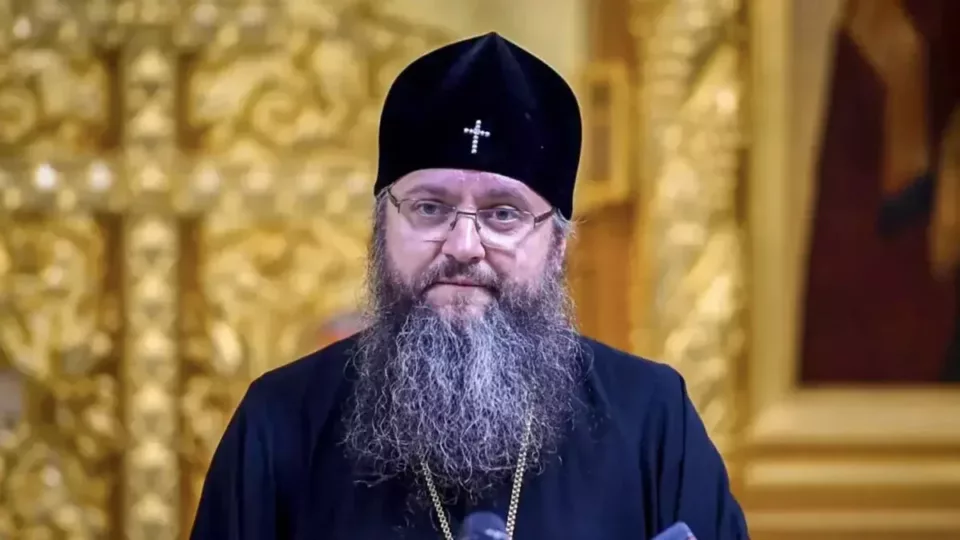
The head of the Synodal Information and Education Department of the Ukrainian Orthodox Church, Metropolitan Klyment (Vecherya), emphasized the need to comply with the provisions of the UOC Statute in order to understand whether the Church is dependent on any religious centers abroad. The hierarch considers the statements of the head of the DESS, Viktor Yelensky, who “does not believe” that the UOC has no ties with the Moscow Patriarchate, to be manipulative. The bishop said this in a comment to DW.
«The statute does not provide for any ties with any religious centers. Instead, Mr. Yelensky makes statements that he does not believe that the UOC has severed ties with Russia. This is strange, to say the least. Because the statute is not a matter of faith. It is a document that officials must read and apply, not “believe” in,» — emphasized Metropolitan Clement.
At the same time, the UOC criticizes the very study conducted by the GESS expert group. According to the UOC press secretary, none of its authors are experts in such concepts as “spiritual ties,” “grace,” or “canons of the Ecumenical Councils,” since Ukrainian legislation does not use such terms. «The order sent is fictitious. It cannot be the subject of a legal dispute or accepted for consideration,» — added the press secretary of the Ukrainian Orthodox Church.
Read also