The UN expressed concern about the pressure on the Estonian Orthodox Church
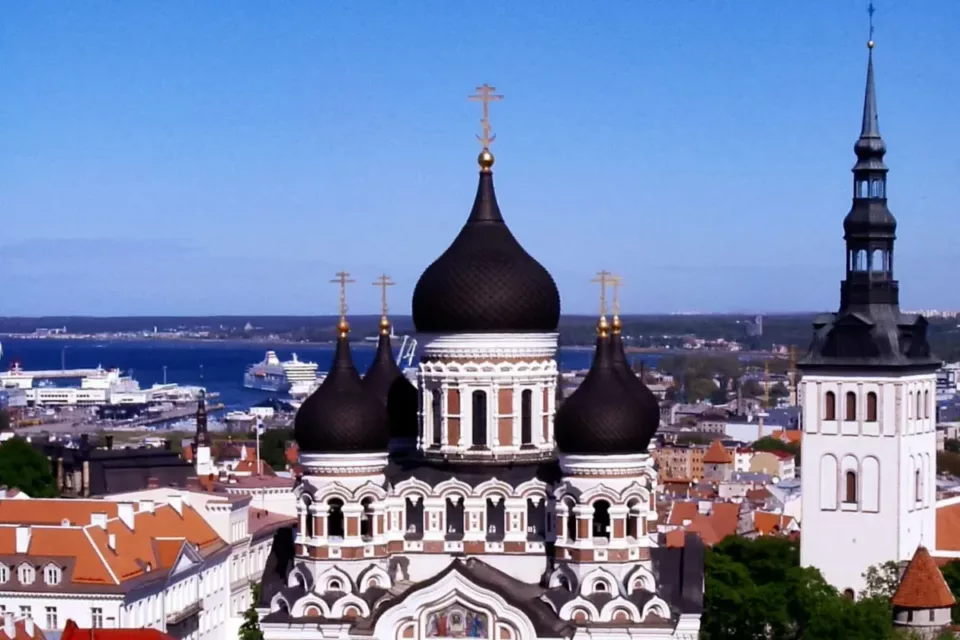
United Nations experts have expressed serious concern about the escalation of legislative and administrative measures taken by the Estonian authorities against the Estonian Orthodox Christian Church (EOCOC). These actions, according to the UN, create risks for violation of religious freedom and rights of national minorities in the country, especially in light of the canonical ties of the EOCOC with the Moscow Patriarchate. At the same time, the UN welcomed Estonian President Alar Karis’ decision to send the controversial amendments to the law to the Supreme Court for constitutional review.
According to an official UN press release dated December 15, 2025, the UN emphasizes that measures such as the amendments to the Law on Churches and Communities, the May 2025 court decision, as well as public statements by state authorities questioning the canonical affiliation of the EPCC may lead to unacceptable restrictions on freedom of religion. The UN experts believe that although these measures are formally formulated as general, in practice they are applied almost exclusively to the EPCC because of its historical canonical ties with the Moscow Patriarchate. This, in their view, has led to the formation of a hostile environment, which is incompatible with the state’s obligation to maintain religious neutrality.
The UN statement identifies a number of specific steps taken by the Estonian authorities that are alarming. Among them: withdrawal of state funding, exclusion of the Church from consultation processes, restrictions on residence permits for clergy, use of closed “security assessments,” termination of the long-term lease of church premises in Tallinn, a sharp increase in insurance premiums for the Pyukhtitsa Monastery, and the de facto expulsion of senior hierarchs without proper procedural safeguards.
The UN experts emphasized that “canonical identity, church hierarchy and spiritual fidelity are integral components of religious freedom and are fully protected by international law.” Furthermore, they recalled that references to national security cannot be a permissible basis for restricting freedom of religion or belief within the framework of Estonia’s international obligations.
The United Nations expressed approval of Estonian President Alar Karis’ decision not to sign the controversial amendments to the law and to refer them to the Supreme Court for constitutional review. In this regard, the experts called on the authorities to suspend all administrative and judicial actions against the EHCC pending the outcome of the case and to initiate inclusive consultations with all religious and ethnic communities.
The statement was signed by UN independent expert George Katrougalos, Special Rapporteur on freedom of religion or belief Nazila Ganea and Special Rapporteur on minority rights Nicolas Levra.
Earlier we reported that the President of Estonia Alar Karis again vetoed the amendments to the state law “On Churches and Parishes”, thanks to which the Parliament of the Republic planned to ban the activities of the Estonian Orthodox Christian Church. The Head of State noted that the law, despite the fact that it had already been revised several times in Parliament, still contradicted certain articles of the Estonian Constitution.