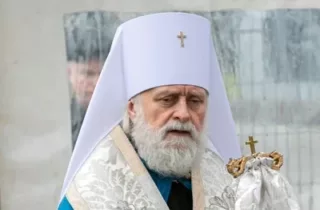
The Estonian Supreme Court has definitively upheld the decision to deport Metropolitan Evgeny
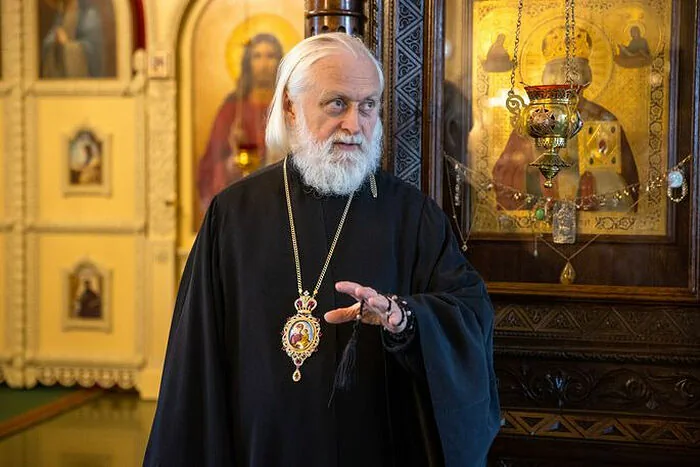
The Estonian Supreme Court put an end to a long-running legal dispute by refusing to hear the cassation appeal filed by Metropolitan Evgeny of Tallinn and All Estonia. Thus, the Court of Appeals’ decision that it was not in the public interest to extend the residence permit for the Primate of the Estonian Orthodox Church has become final.
Metropolitan Evgeny, who had led the diocese since 2018, was forced to leave Estonia in early 2024 after the country’s authorities denied him a renewal of his right to reside there. The official justification cited national security concerns, despite the fact that, as noted in the report, government agencies did not provide direct evidence that the clergyman’s actions posed a real threat to the country.
The situation surrounding Metropolitan Evgeny is unfolding against the backdrop of increasing pressure from the Estonian government on the Orthodox Church. In particular, a law was previously passed requiring the church to sever ties with the Moscow Patriarchate and elect a new head, under threat of forced dissolution. Although the Supreme Court upheld the constitutionality of this law in June, church representatives have now filed a complaint with the European Court of Human Rights.
During the legal proceedings, particular attention was paid to access to classified documents of the Internal Security Service. Previously, the Court of Appeals had sided with the defense, demanding a review of the decision to restrict access to the case files; however, the Supreme Court’s current rejection has closed the door to further appeals in domestic courts. At this time, the church continues to defend its rights at the international level.
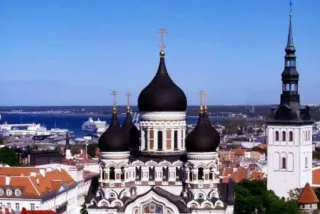
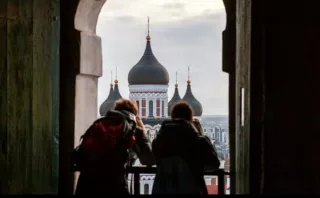
As a reminder, the Russian Orthodox Church has sharply criticized initiatives by the Estonian authorities aimed at revising ownership rights to the country’s main cathedral. The conflict arose from a proposal by Estonian Interior Minister Igor Taro to terminate the agreement granting the Russian Orthodox Church the right to use the Alexander Nevsky Cathedral in Tallinn free of charge.
Read also