The Estonian Orthodox Church is forced to vacate its administrative building in Tallinn
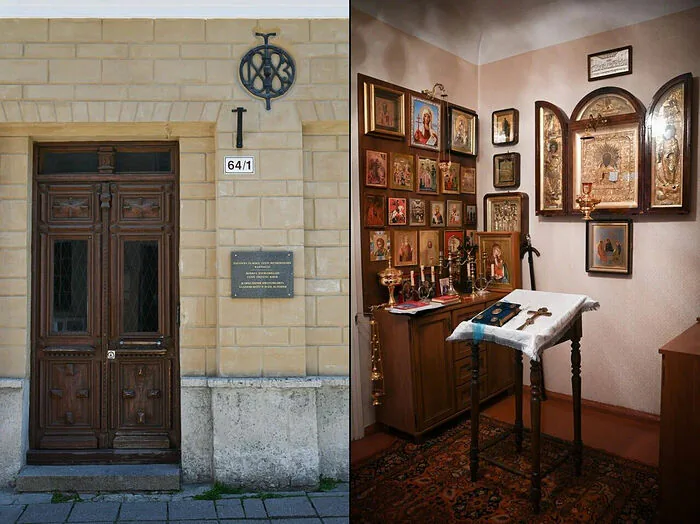
The Estonian Orthodox Christian Church (EOCC) has been forced to vacate its historic administrative building, located at 64 Pikk Street in Tallinn. The Estonian Supreme Court has definitively refused to hear the organization’s appeal, thereby bringing to a close a protracted legal dispute with city authorities over the lease of the premises.
The building at the center of the dispute was constructed by the Church itself between 1878 and 1884 on a site it had acquired as early as 1829. For more than 100 years, this complex served as the spiritual center of Orthodoxy in the region. Prominent church figures, including the holy martyr Bishop Platon and Patriarch Alexy II, lived and worked within its walls. After the nationalization of the property in 1940, the church was forced to operate as a tenant, while retaining its administrative offices for decades.
Representatives of the ECHPC note that they have always faithfully fulfilled all contractual obligations. However, against the backdrop of the current political situation and changes in legislation concerning religious organizations, the situation surrounding church property has become significantly more complicated. Bishop Daniel of Tartu emphasized that for the faithful, this decision marks the end of an entire era linked to the country’s spiritual history.
At present, the church expresses hope that the new owners or tenants of the building will be able to appreciate its cultural and spiritual significance, despite the fact that demand for commercial space in the Old Town remains low.
As a reminder, the Estonian Orthodox Christian Church (EOCC) and the Pühtitsa Monastery have filed complaints with the European Court of Human Rights (ECHR), challenging recent amendments to the law on churches and parishes. The disputed provisions require religious organizations to sever administrative ties with the Moscow Patriarchate by December 28.
Read also