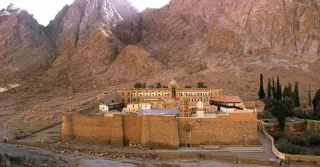
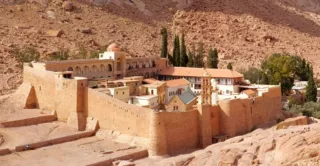
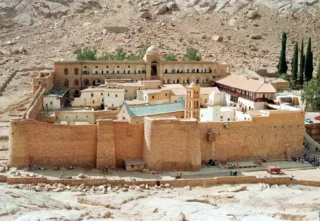
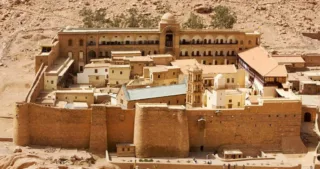
A diplomatic scandal has erupted over the agreement regarding St. Catherine's Monastery on Mount Sinai
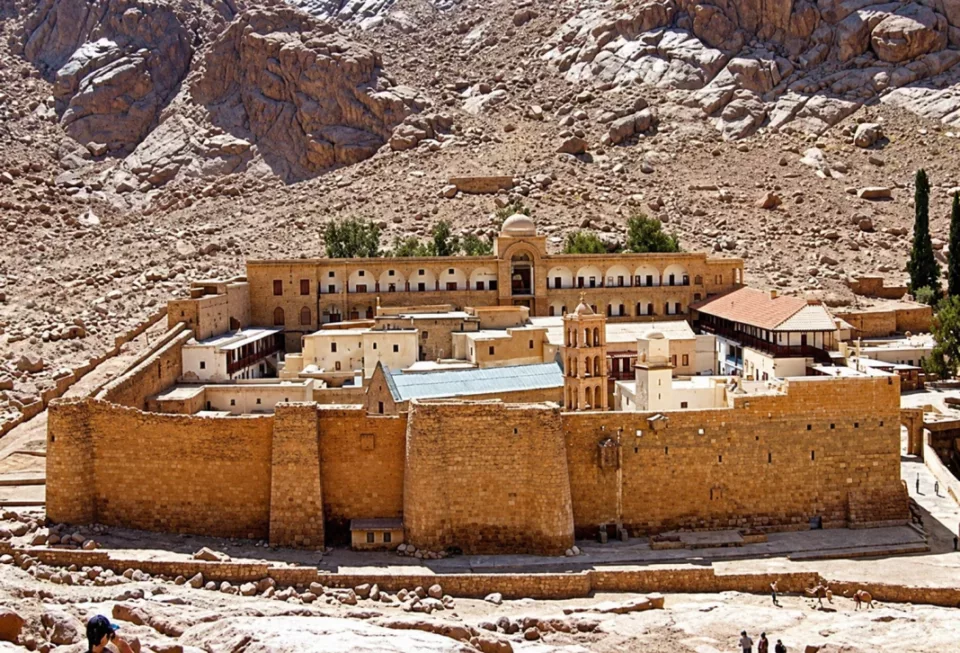
A heated debate has erupted over the future St. Catherine’s Monastery on Mount Sinai after the Greek government and the leadership of the Orthodox Church announced that they had reached an agreement with Egypt. Although the authorities are calling the deal a “diplomatic triumph,” the public and experts are expressing serious concern over the closed nature of the negotiations and the failure to publish the document’s full terms. According to Helleniscope, experts fear that the monastery’s historical land rights may have been sacrificed for the sake of political stability.
The situation escalated following a May 2025 ruling by an Egyptian court that called into question the monastery’s property rights. As early as July, during the negotiations, Egypt proposed recognizing state ownership of the disputed territories, which would radically change the monastery’s status—instead of owning the land by right, it might receive only a temporary permit to use it. Despite critical remarks, including those previously voiced by Archbishop Damian, Greek authorities, represented by Foreign Minister Yorgos Gerapetritis, continue to insist that the negotiations are proceeding successfully.
Critics of the agreement emphasize the fundamental difference between land ownership and the status of a tenant, whose presence depends on the will of the state. Of particular concern is the scale of the “Great Transfiguration” tourism project, which, according to the Egyptian Initiative for Personal Rights, poses additional threats to the sacred landscape protected by UNESCO. At present, the Greek government and church leaders, including representatives of the Patriarchates of Jerusalem and Constantinople, are calling for trust; however, as notes, until the official text of the agreement and all its annexes are published, any claims of “victory” appear premature and insufficiently substantiated.
Read also