Schism in Orthodoxy over Ukrainian issue may become a permanent phenomenon - The Orthodox Times
Against the background of the approaching political and military settlement of the conflict in Ukraine, where the country, according to some sources, may be on the losing side, the church issue is coming to the fore. Seven years after Patriarch Bartholomew granted autocephaly to the OCU, its recognition remains limited. Particular attention is being paid to the future of the Ukrainian Orthodox Church (UOC) under the leadership of Metropolitan Onufry, which, despite accusations of ties to Moscow, retains considerable influence among the faithful and is likely to be part of the second phase of the negotiation process.
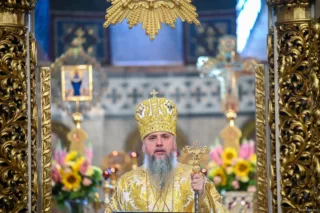
According to OrthodoxTimes, the decision of the Patriarch of Constantinople to grant autocephaly to the OCU under Metropolitan Epiphanius was made seven years ago and is irreversible. Nevertheless, this autocephaly has not been widely recognized: only the Orthodox Churches of Greece, Cyprus and the Patriarchate of Alexandria have recognized it. At the same time, the Patriarchates of Jerusalem and Antioch, as well as the Churches of Serbia and Bulgaria, continue to maintain close ties with the Moscow Patriarchate. The position of Archbishop John of Albania remains unclear, but he has expressed no intention of deviating from the views of his predecessor Anastasios, who publicly disagreed with Patriarch Bartholomew on this issue.
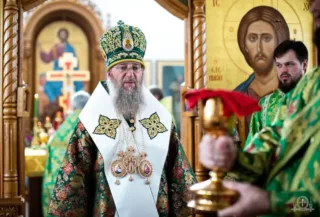
Despite the granting of autocephaly to the PCU, the Ukrainian Orthodox Church (UOC) under the leadership of Metropolitan Onufriy remains the dominant force. The Ukrainian government has passed a law defining this Church as an instrument of Moscow, and in the context of military conflict with Russia, its continued operation seems illogical. However, Metropolitan Onuphrius, although he rarely appears in public and makes statements, has not renounced Patriarch Kirill or shown any intention of severing ties with the Russian Orthodox Church.
The situation for the OCU is aggravated by the fact that many believers, despite the war, continue to attend the churches of the UOC. For them, these are familiar parishes, and they see no reason to change their traditions. Sources suggest that either the OCU has failed to effectively communicate its position, or the UOC believers have a deeper understanding of the dynamics of the situation. It is becoming more and more obvious that the status of the UOC will be raised at the second stage of the negotiation process to resolve the conflict. The Russian side has already raised this issue, speaking about the persecution of the canonical Orthodox Church and referring to the problems of religious freedom.
In the author’s opinion, however, the main task now is to preserve unity among Orthodox believers and prevent further schism. The question remains open as to whether the wounds in the global Orthodox family will heal, or whether the current split will become a permanent phenomenon.
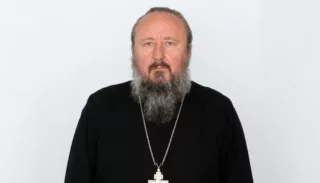
We shall remind you that earlier the hierarch of the UOC Metropolitan of Cherkassy and Kanev Theodosius appealed to the head of the Church of Constantinople Patriarch Bartholomew with a call to consider the Ukrainian church issue at the Pan-Orthodox level. The bishop is convinced that recognizing the Ukrainian schismatics and granting them the Tomos of autocephaly was a fatal mistake that could split world Orthodoxy.
Read also