Ternopil Regional Council discusses ways to influence the Ukrainian Orthodox Church in the region
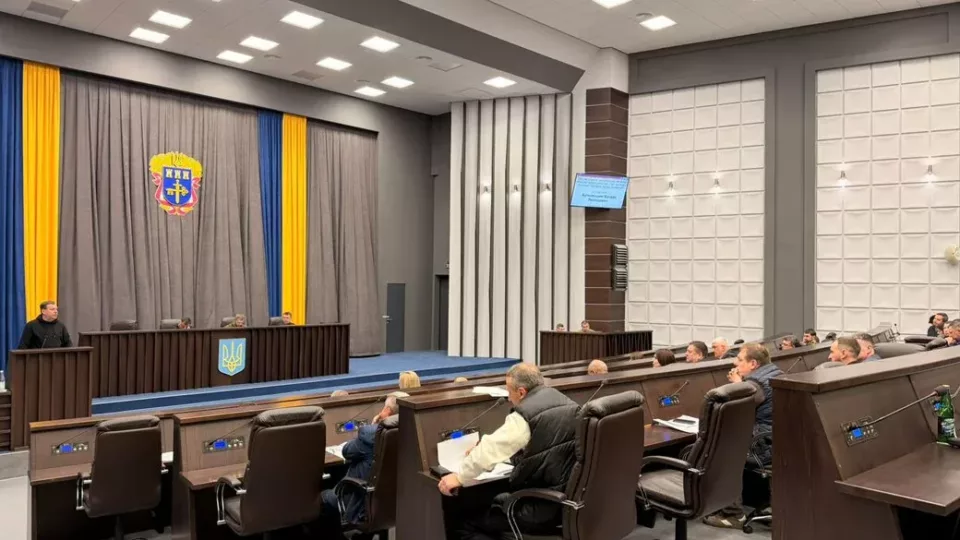
The Ternopil Regional Council discussed the process of changing the jurisdiction of religious communities and returning cultural heritage sites used by the Ukrainian Orthodox Church to state ownership. The Ternopil Regional State Administration is concerned that despite the re-registration of 48 religious communities of the Ukrainian Orthodox Church (UOC) to the OCU since 2014, 85 UOC communities continue to officially operate in the region.
According to the Suspilne media outlet, the relevant information was voiced at a session of the Ternopil Regional Council by Ihor Kulchytskyi, head of the Ethnic Policy Department of the Ternopil Regional State Administration. During the discussion of the implementation of the Law of Ukraine «On the Protection of the Constitutional Order in the Field of Activities of Religious Organizations,» it was noted that the process of returning iconic architectural monuments to the state has entered an active legal phase. In particular, St. Nicholas Cathedral of the UOC in Kremenets, which was taken away from the Church two years earlier, has already been transferred to the management of the state reserve, and court hearings are ongoing regarding the complex of buildings of the Epiphany Convent of the UOC.
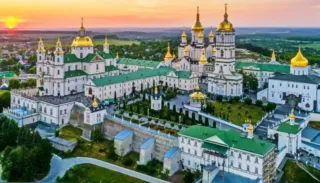
Particular attention is being paid to the situation in Pochayiv. The regional administration has already registered the property right to two churches of the existing men’s Holy Spirit Monastery of the UOC, which are architectural monuments. According to Kulchytsky, a lawsuit will be filed in the near future to return the rest of the monastery’s buildings to the state. In addition, together with the prosecutor’s office, the ownership of the All Saints’ and Intercession churches is being challenged, and the court is considering the return of the land on which the complex of the Holy Dormition Pochayiv Lavra is located.
As part of the «inventory of property» initiated by the Ministry of Culture of Ukraine, special commissions have already completed «checking the state of preservation of the Pochayiv Lavra’s facilities.» Answering deputies’ questions about the mechanism for prohibiting the use of state property by religious organizations, Kulchytsky explained that the State Service of Ukraine for Ethnic Policy and Freedom of Conscience issues relevant orders, but the final decision on the implementation of the law is made exclusively by the court. It is noteworthy that, according to the reporting data for the period from 2024 to 2026, none of the remaining 85 UOC communities in the region has filed an official statement of desire to transfer to the OCU.
«Those communities that have at least some Ukrainian origin have taken the opportunity to move to the Ukrainian church, either the OCU or the UGCC, and these 85 are no longer moving, thus they have shown themselves to be pro-Russian. And if a priest does not adhere to a pro-Ukrainian position, these communities will never move. And people ask: «How is it possible that we bury heroes, and this church continues to defend its position,» said Vasyl Gradovyi, a deputy from the European Solidarity faction in the Ternopil Regional Council.
Earlier, we reported that Ukrainian MP Natalia Pipa came up with an initiative to immediately return the Pochayiv Holy Dormition Monastery to full state control, calling the existence of the monastic community of the Ukrainian Orthodox Church in the monastery an «occupation.»
Read also