Viktor Yelensky: The state is obligated to take into account the position of the Council of Churches on issues of sexual morality
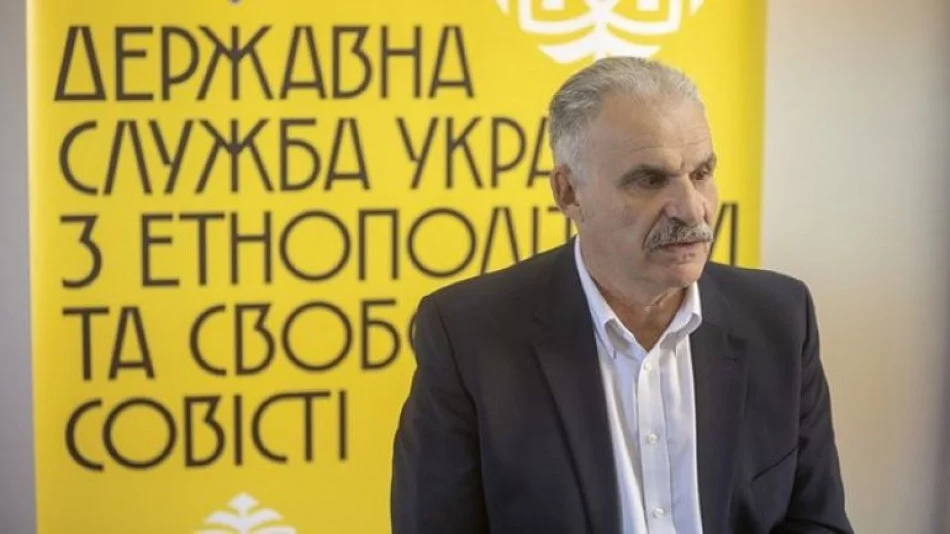
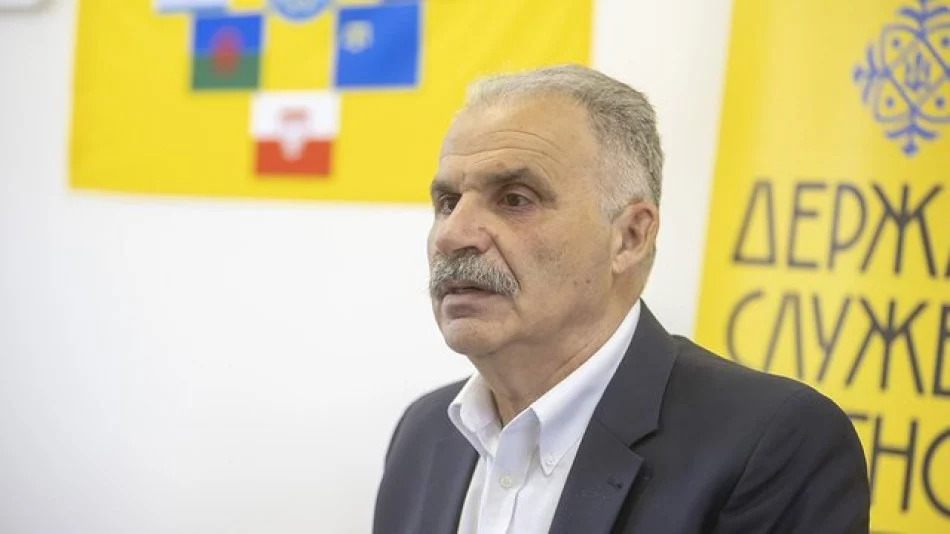
Viktor Yelensky, head of Ukraine’s State Service for Ethnopolitics and Freedom of Conscience (GESS), emphasized the need for dialogue between the government and religious organizations on issues of sexual morality. As Ukraine integrates into the European Union, discussions on topics such as LGBT rights, abortion, and sex education are expected to intensify, requiring the state to strike a balance between its European obligations and the positions of influential religious institutions.
According to Interfax-Ukraine, moral issues are the most sensitive in relations between the church and modern society. According to Yelensky, attempts to establish direct dialogue between liberal activists and church leaders often unfold “quite dramatically,” as the parties’ positions on abortion and same-sex marriage remain diametrically opposed.
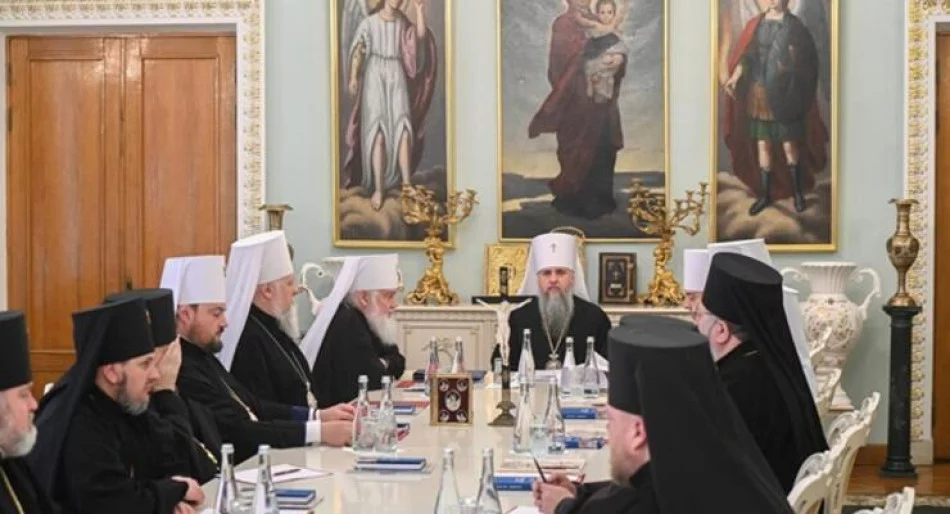
Yelensky cited the examples of Poland, Romania, and Bulgaria, where EU accession was accompanied by difficult discussions about maintaining national positions on marriage issues. “It is obvious that we will face similar tensions as we fulfill our European obligations, ” stated the head of the GESS. He also noted that the state cannot ignore the opinion of the All-Ukrainian Council of Churches and Religious Organizations (ACCRO), as it is one of the largest public bodies with broad support among the population.
Despite the existence of strict “red lines,” religious communities are demonstrating a willingness to compromise in certain areas. In particular, this concerns sex education in schools. While the church previously opposed such programs in principle, the All-Ukrainian Council of Churches and Religious Organizations now recognizes their necessity but insists that the materials strictly correspond to the age and psychological development of children. As an example, Yelensky mentioned a recent meeting between Council representatives and Deputy Prime Minister Yulia Sviridenko, during which textbooks for 4th grade were criticized because their content seemed inappropriate to believers for children aged 9–10.
In conclusion, it was noted that the Council of Churches had previously officially called on the authorities to refrain from legally recognizing same-sex partnerships, which remains one of the key challenges in the dialogue between the state, society, and religious organizations on the path to EU membership.
As a reminder, the Industrial District Court of Kharkivruled to dismiss the lawsuit filed by two men seeking legal recognition of their cohabitation as a family. The court concluded that there were insufficient grounds for officially formalizing such a union under current legislation.
Read also