The Estonian Supreme Court ruled that the law banning the Estonian Orthodox Church is constitutional, despite the president's objections
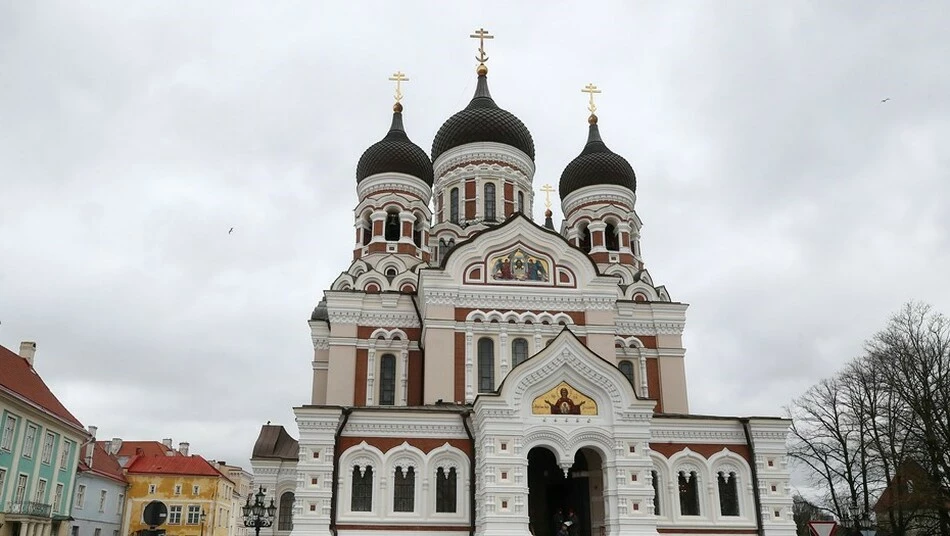
The Estonian Supreme Court ruled that amendments to the “Churches and Parishes Act,” aimed at banning the activities of the Estonian Orthodox Christian Church, are in line with the country’s Constitution, rejecting a petition filed by President Alar Karis. The head of state twice refused to sign the document, considering it a violation of freedom of religion and association; however, following the court’s final verdict, he was compelled to approve the law.
According to the Interfax news agency, the country’s highest court ruled that the amendments adopted by parliament do not entail the arbitrary termination of religious organizations’ activities. According to the judges, the risks cited by the president can be addressed directly through the application of the law. However, the decision was not unanimous: six of the seventeen judges issued a dissenting opinion, pointing out that the law violates the principle of legal clarity, which is critical for ensuring citizens’ fundamental rights.
The legislative initiative primarily affects the interests of the Estonian Orthodox Christian Church (EOCC). The Estonian government and parliament demanded that the church officially sever ties with the Russian Orthodox Church (ROC) and change its name, threatening to outlaw the organization if it refused. The authorities justified their actions by arguing that the activities of the Moscow Patriarchate undermine the sovereignty and democracy of states due to its support for Russian policy.
The President’s legal advisor, Hent Kalmo, emphasized that Alar Karis did not dispute the law’s objective itself, but insisted on verifying its compliance with the articles of the Constitution that limit freedom of association and religion. The president also noted that Estonia’s legal framework already contained measures to prevent destructive influence, and the problem lay solely in their ineffective use. Nevertheless, following the court’s decision, the Office of the President announced that the law had been signed.
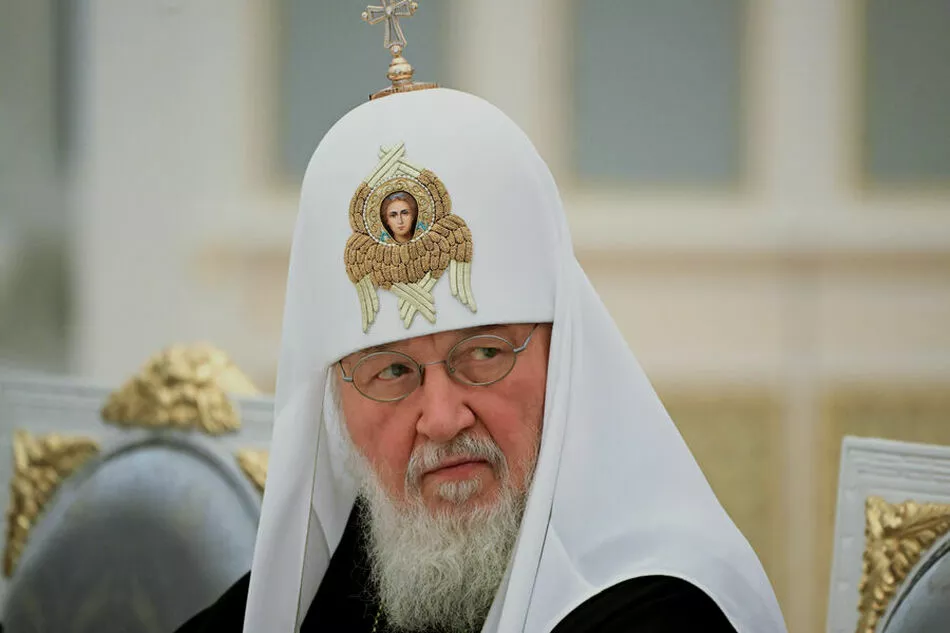
As a reminder, earlier Patriarch Kirill of Moscow and All Russia stated that the Estonian Orthodox Christian Church (EOCC) and the Orthodox Church of Moldova (OCM) continue to remain in canonical unity with the Moscow Patriarchate. According to the head of the Russian Orthodox Church, this is happening despite significant pressure from state authorities and the adoption of discriminatory legislation.
Read also