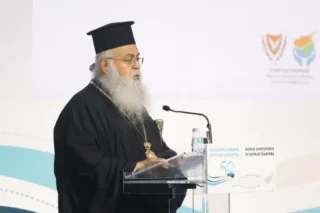
One of the reasons for the resignation of Metropolitan Tichikos of Paphos was his stance on interfaith marriages, according to media reports
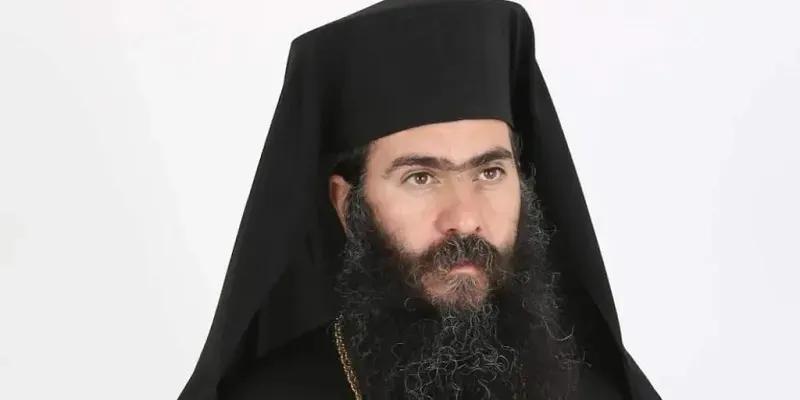
The refusal by a hierarch of the Cypriot Orthodox Church—former Metropolitan Tikhikos of Paphos—to perform mixed-faith marriages between Orthodox Christians and members of other denominations has drawn the attention of the church community. According to the website Vima Orthodoxias, this issue has become one of the key accusations leveled against the hierarch and has exposed a deep theological divide regarding the understanding of the nature of the Church and the ecumenical movement.
According to the analysis presented in the publication, Metropolitan Tichikos’s position goes beyond mere canonical strictness. It is based on the traditional Orthodox belief that performing the Sacrament of Marriage with a non-Orthodox person without that person’s prior acceptance of Orthodoxy through Baptism de facto recognizes the validity of the Sacraments outside the Orthodox Church. Proponents of this view insist on the exclusivity of the fullness of truth, which is preserved solely within the Orthodox Church.
The article notes that the conflict is largely driven by differences between traditional ecclesiology and modern concepts shaped by the ideas of the Second Vatican Council. The new model, which critics call “ecumenical ecclesiology,” posits that churchliness can, to one degree or another, exist outside the visible boundaries of the canonical Church. Within this framework, mixed marriages are viewed as a natural step reflecting the recognition of the “validity” of baptism and other sacraments among non-Orthodox Christians.
Thus, the metropolitan’s refusal to perform such marriages is perceived by supporters of ecumenical dialogue as an obstacle to inter-Christian rapprochement. The debate surrounding Metropolitan Tikhon demonstrates just how acute the question of the Church’s boundaries and methods of interaction with other Christian communities remains in the modern world.
Read also