The Council of Europe has recommended that 46 countries implement comprehensive sex education for children
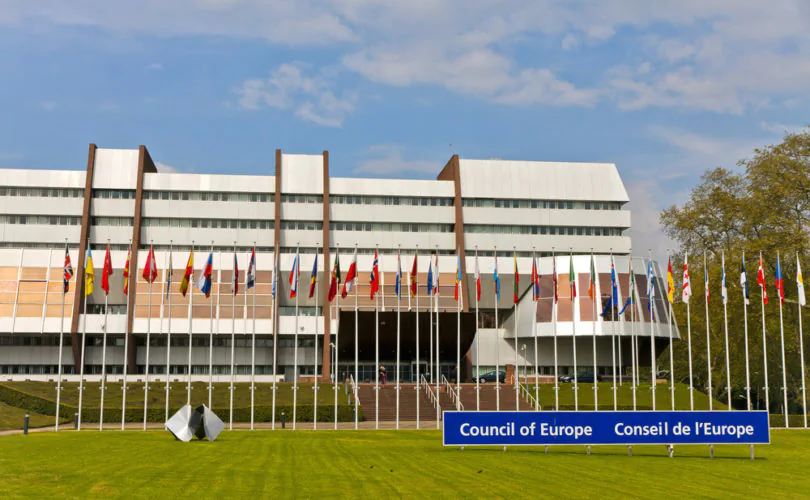
The Committee of Ministers of the Council of Europe has adopted an official recommendation for its 46 member states, calling for the introduction of “comprehensive sexuality education” starting at an early age. As emphasized in the document, this measure is necessary to protect children from violence and discrimination; however, the initiative has already faced sharp criticism from religious communities and human rights organizations that fear a violation of family rights.
According to the news outlet LifeSiteNews, the document titled “Protecting Children from Violence through Age-Appropriate Comprehensive Sexuality Education” was officially approved on October 15, 2026. The recommendation applies to public and private schools, as well as to out-of-school youth programs. The authors of the document assert that any legislative or practical exceptions allowing children to opt out of these classes undermine the overall system for protecting minors from violence.
An important aspect of the new recommendation is the promotion of “non-discrimination against children with different sexual orientations and gender identities.” Although a phrase regarding parents’ “primary responsibility” for their children’s upbringing was included in the text under pressure from the Italian government, critics point to the lack of real mechanisms for families to influence the educational process. According to Julia Kszczonzek, an analyst at the Warsaw-based Ordo Iuris Institute, such measures effectively deprive parents of the right to make decisions regarding their children’s upbringing.
Religious leaders have also spoken out against the mandatory nature of such programs. The Federation of Catholic Family Associations in Europe (FAFCE) and the Polish Bishops’ Conference have stated that the state should not replace the family in matters of upbringing. In Ireland, Archbishop Eamon Martin also supported the right of parents to exempt their children from state-mandated lessons on relationships and sexuality. It is worth noting that this Council of Europe initiative is based on the provisions of the 2007 Lanzarote Convention, which was originally designed to combat the sexual exploitation of children.
Read also