The Church Schism and Western Influence: Why the Autocephaly of the OCU Met with Resistance in Greece and Cyprus
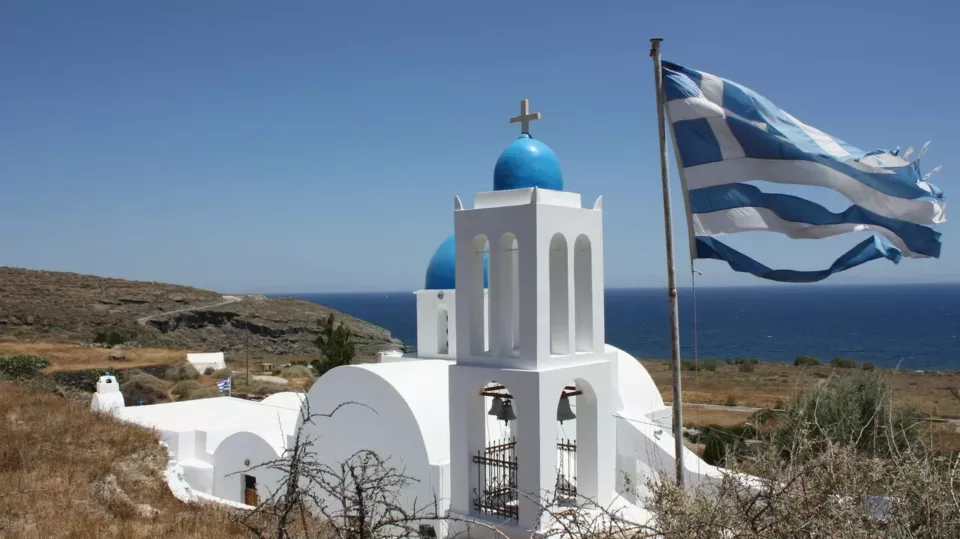
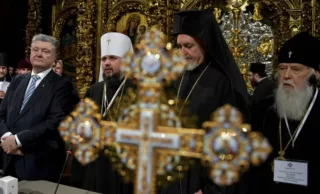
Despite the official recognition of the OCU by the hierarchies of the Churches of Greece and Cyprus, at the grassroots level—among the clergy and influential monastic communities—this move has not received universal approval. The synods’ formal decision did not reflect a consensus, as it faced deep opposition to the OCU’s canonical status from a significant portion of the episcopate and the faithful. This is reported in the Helleniscope article “ .”
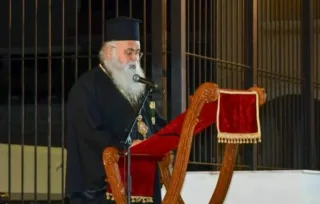
In Greece, seven metropolitans openly expressed their disagreement with the decision on autocephaly, while the situation on Mount Athos remains notably mixed. Despite their jurisdictional ties to Constantinople, most Athos monasteries are showing restraint or outright opposition, refusing liturgical communion with representatives of the OCU. A similar pattern is observed in Cyprus, where more than 40% of the Synod members opposed the course set by the late Archbishop Chrysostomos II, including the leadership of the influential Kykkos Monastery, which wields enormous historical and financial influence.
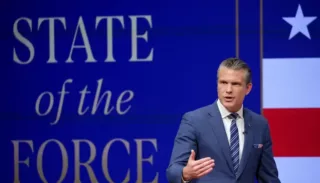
The authors of the article emphasize that these ecclesiastical disagreements unfolded against the backdrop of unprecedented diplomatic activity by the United States. U.S. officials, including Mike Pompeo, Jeffrey Payette, and Sam Brownback, openly lobbied for the recognition of the OCU, viewing it as part of a geopolitical countermeasure against Russian influence. Nevertheless, this pressure clashed with Greek society’s historically deep-rooted sympathies toward Russia.
Analysts note that the roots of these sentiments stretch back centuries: from the events of 1829, when Russian intervention was a decisive factor in Greece’s struggle for independence, to modern economic ties, including Greece’s powerful merchant fleet. Ultimately, according to the source, attempts at external political influence failed to overcome either the deep-seated religious doubts within Orthodox circles or the enduring historical ties binding the two countries.
Read also