Earlier, Mykola Kniazhytskyi, a member of the European Solidarity party, confirmed that the Verkhovna Rada of Ukraine passed the scandalous anti-church law No. 3894, aimed at banning the activities of the Ukrainian Orthodox Church, which was adopted, among other things, to take away churches from the UOC. Knyazhytsky believes that since not all settlements in Ukraine have churches of the OCU, people may not realize that their “priests have ties to Moscow.” Thus, the law banning the UOC is aimed at correcting this.
Media: Police start collecting data on UOC churches in Ukrainian regions
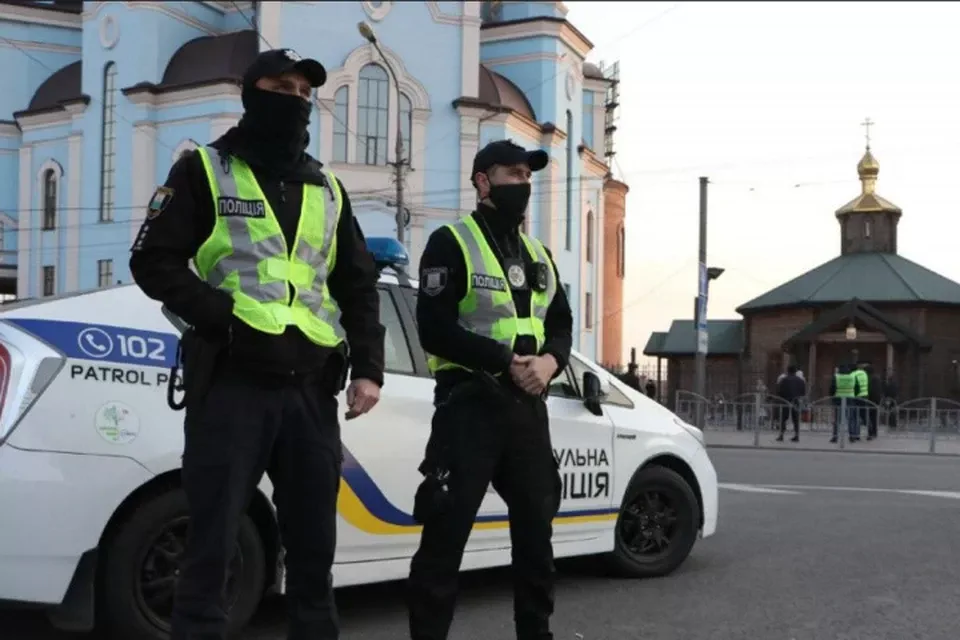
Employees of the National Police of Ukraine in certain regions of the country have initiated the collection of information about parishes and churches of the Ukrainian Orthodox Church. It is reported that the police take pictures of religious buildings, mark their geolocation and conduct a survey of UOC priests, providing them with a questionnaire with clarifying questions. This is reported by the Telegram channel “First Cossack”.
It is reported that police officers are instructed to identify the location of UOC churches and interview the clergy. For these purposes, law enforcement officers were given a questionnaire that contains questions to the priests of the UOC: from property rights to personal data and the approximate number of believers.
“The questionnaire, according to which the police collect information about the churches of the UOC:
1. The full name of the building.
2. What kind of religious building: temple, monastery, synagogue, mosque, church, premises for worship.
3. The address of the location.
4. Geolocation of the building.
5. Photo of the building (real, not from the Internet).
6. Ownership of the building: in state ownership, in communal ownership, in private ownership.
7. Activity: active or closed.
8. If closed, the grounds for termination of activity: construction, criminal proceedings, destruction.
9. Affiliation: OCU, UOC, UGCC, RCC, Jews, Muslims.
10. Transition from the UOC to the OCU: not planned, in the process of transition.
11. Is there a priority of use: yes, no (for the UOC and the OCU).
12 Approximate number of regular believers.
13. Clergy: permanent, temporary, absent.
14. Full name and holy name.
15. Telephone number of the building and the clergyman,” – the media noted.
Read also