“The UOC is not required to betray Orthodoxy, change the language of the Liturgy or the calendar,” - Viktor Yelenskyy
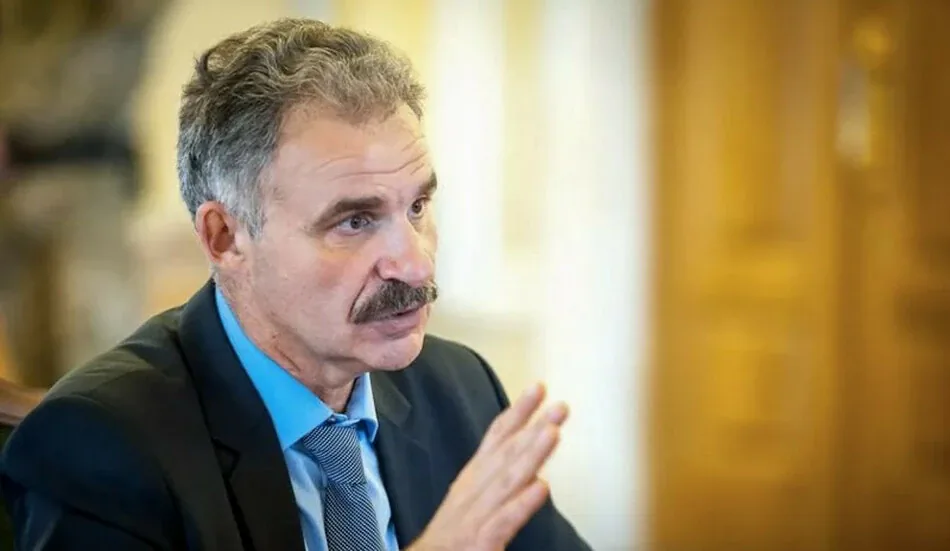
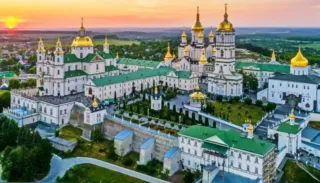
The head of the State Service of Ukraine for Ethnic Policy and Freedom of Conscience, Viktor Yelensky, said that anti-church law No. 3894 does not require the Ukrainian Orthodox Church to betray Orthodoxy. Moreover, according to the official, the law does not mention the UOC at all, but only organizations affiliated with the Russian Orthodox Church. According to Yelensky, the bishops of the UOC must publicly renounce the ROC, and then the law will not apply to them. He said this in an interview with Suspilne.Chernivtsi.
“The law explains why it prohibits the ROC. Does this mean that the Ukrainian Orthodox Church, which is in connection with the Russian Orthodox Church, is automatically banned? No, it doesn’t. Because the law says that religious organizations affiliated with the Russian Orthodox Church should not be allowed to operate. And the law clearly defines what affiliation is and what these ties mean. These bishops say that they cannot influence what is written and spoken about in the Russian Orthodox Church, so the law is discriminatory and directly directed against them. But if these bishops read a little further down, the law says that this clause does not apply if people leave the Russian Church and give a certificate of this,” – Yelensky said.
He added that no one requires the UOC to betray Orthodoxy or change the calendar. However, the Church must renounce ties with the ROC, as “belonging to the ROC is not part of the Orthodox doctrine.”
“Again, the UOC is not required to betray Orthodoxy, change the language of the liturgy or the calendar. It is only required to withdraw from the ROC, which is a party to the war against Ukraine. This does not impose a burden on the conscience of believers, because subordination to the Moscow Patriarchate is not part of the Orthodox doctrine,” – he added.
Earlier, Viktor Yelensky stated that the Patriarchate of Constantinople is the “mother church” for the Ukrainian Orthodox Church. The official added that he could argue to the representatives of the UOC why they cannot remain part of the Russian Orthodox Church.
Read also