A Church Conflict Arises in the Czech Republic Due to Alleged Ties with the Russian Orthodox Church
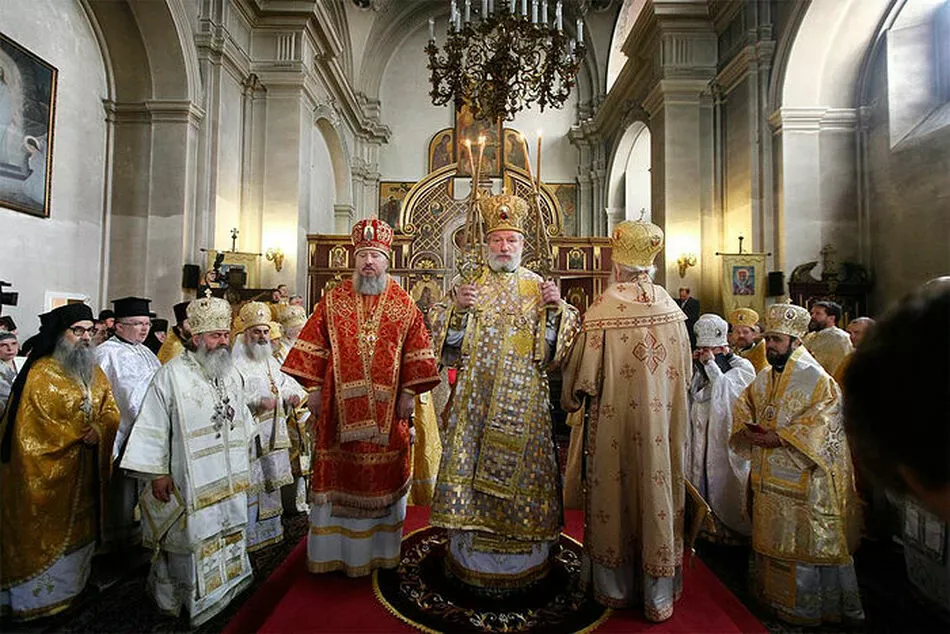
A conflict within the Orthodox Church is unfolding in the Czech Republic, linked to the potential rapprochement with the Russian Orthodox Church. The division has attracted the attention of Czech government authorities, who view it as a national security threat.
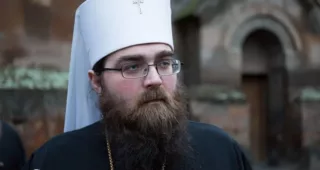
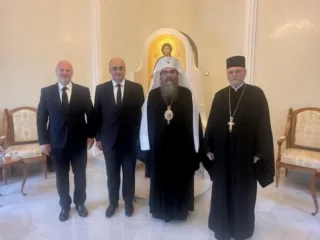
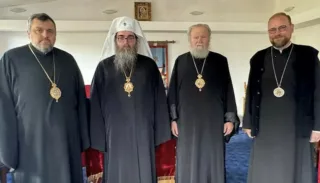
According to journalists from Reportéři ČT, the conflict involves Archbishop Michal Dandar, who in the past was an agent of the Soviet State Security Committee. Recently, he celebrated a decade in his position, and among the guests was a clergyman whose connections with Russia have caught the attention of Ukrainian intelligence services.
The Czech Security Service has claimed that Dandar and his circle allegedly lean toward the Moscow Patriarchate.
In response to these accusations, a representative of the Archbishop stated that the Czechoslovak Orthodox Church is independent and does not submit to the ROC.
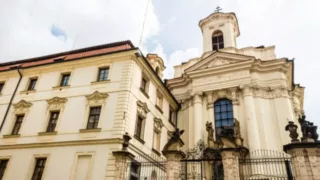
Meanwhile, earlier this year, a scandal erupted in Karlovy Vary involving Nikolai Liščenjuk, the former rector of the Church of Saints Peter and Paul. According to Czech law enforcement, he used the church as a meeting place for Russian agents and was deported from the Czech Republic.
Journalists believe that the conflict has both ideological and geopolitical components, which may affect Czech attitudes toward Russian presence. Many Ukrainians who have sought refuge in the Czech Republic attend churches of the Czech Orthodox Church, most of whose priests are Ukrainian. However, due to suspicions of ties between the church leadership and the ROC, some Ukrainians in the Czech Republic have started to avoid its services, preferring Greek Catholic parishes.
Additionally, a recent sociological survey conducted on behalf of the Estonian State Chancellery shows that the number of citizens supporting the idea of separating the Estonian Orthodox Christian Church from the Moscow Patriarchate is declining. The survey results reveal a drop in public support for the idea following significant political changes in Ukraine.
Read also