The ROCOR Synod Opposes the Rehabilitation of Soviet Ideology in Russia
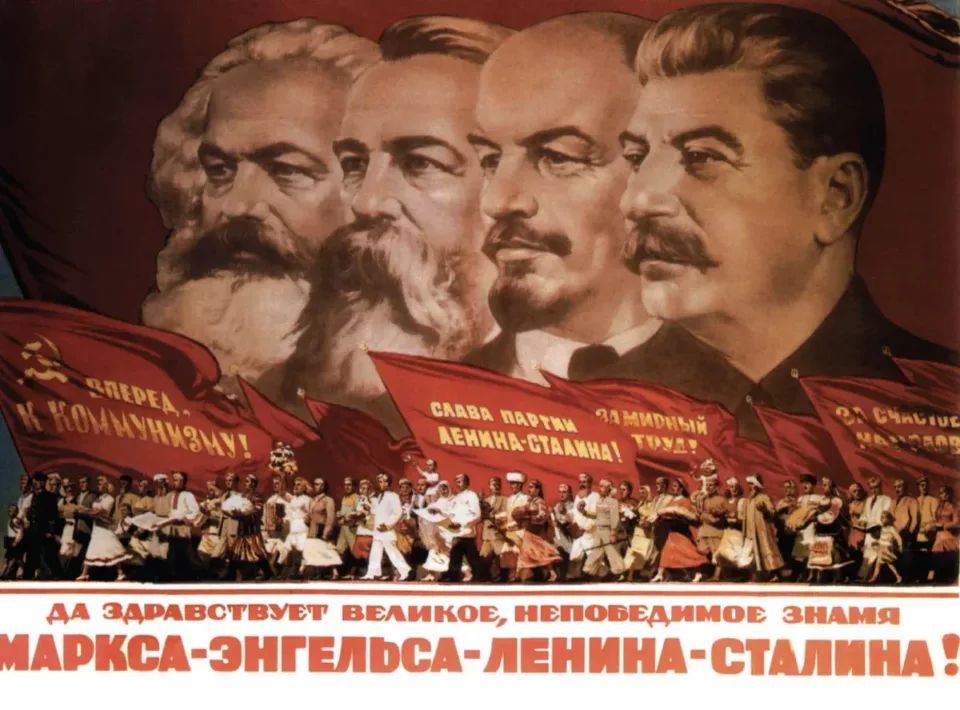
The Synod of Bishops of the Russian Orthodox Church Outside of Russia (ROCOR) has issued a statement expressing concern over the return of Soviet-era ideological approaches in today’s Russia. According to the hierarchs, amid growing international tension and internal crisis, Russian society is turning not to spiritual purification, but to the glorification of a deceitful and God-opposing system of the 20th century. The statement was published on the official ROCOR website.
Particular concern is raised by the new version of the “State Policy Concept for Commemorating the Victims of Political Repression,” revised in 2024. ROCOR notes that the new edition contains a clear tendency to justify the crimes of the communist regime. A representative of the Church Abroad had previously raised this issue at a meeting of the Church-Public Council under the Patriarch of Moscow. Now, the Synod has formally joined the criticism.
ROCOR draws attention to disturbing developments: monuments to Stalin and Dzerzhinsky are being erected again in Moscow; the restoration of Lenin’s mausoleum is under discussion; and previously rehabilitated victims of repression are once again being declared guilty without any new evidence. Such practices, the hierarchs emphasize, are not only legally questionable but also morally unacceptable — especially in cases involving clergy who had been exonerated for their faith.
The Synod also expressed regret over statements appearing in the public domain that justify the murder of the holy Tsar Nicholas II. One particular remark that caused outrage was made by a well-known professor who said, “I would have shot him myself.” ROCOR views such statements as a continuation of Bolshevik falsehoods and a sign of spiritual degradation.
In conclusion, the Synod called on all Orthodox Christians — both in Russia and abroad — to consciously resist the ideological regression to the past. The Church Abroad reaffirmed its principled refusal to align with any state system and urged believers to remain faithful to the truth of the Gospel, rejecting the darkness of the God-fighting past.
Earlier it was reported that His Holiness Patriarch Kirill of Moscow and All Russia had published an Address marking the 1700th anniversary of the First Ecumenical Council. The Primate drew historical parallels between the current state of global Orthodoxy and the challenges faced by the Church during the time of the Council of Nicaea, emphasizing the need to resolve today’s crisis “in the unity of the Spirit and the bond of peace.”
Read also