Inspection by Officials at a UOC Monastery in Cherkasy Region: Attempt to Locate the “Krasnohirsky Caves”
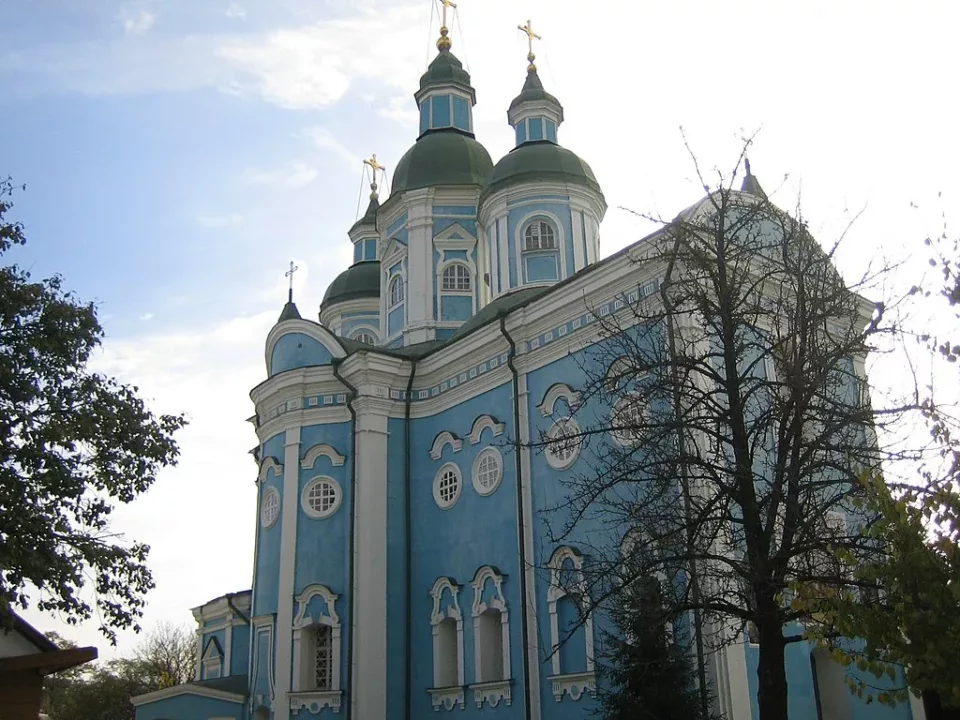
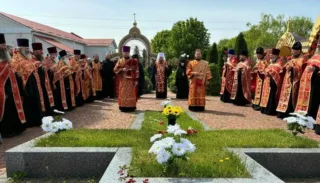
On June 25, 2025, a group of local government representatives visited the Pokrovsky Krasnohirsky Convent of the Ukrainian Orthodox Church (UOC) in the Cherkasy region. They stated that they represented a commission and intended to inspect a site referred to in documents as the “Krasnohirsky Caves,” allegedly considered an object of historical and cultural heritage. This was reported by Dozor on the “First Cossack” channel.
According to the Cherkasy Eparchy of the UOC, no such caves exist either on the monastery grounds or in its vicinity. The nuns of the convent, including the elder residents, said they had never heard of any caves associated with the monastery.
When asked by the officials to show the entrance to the alleged caves, the monastery’s representatives replied they would do so — provided that the location was clearly identified. However, the officials themselves were unable to indicate any such place.
Following this, the delegation was given a tour of the monastery grounds. The inspection confirmed that there are no underground structures matching the description of a “heritage site.”
The Cherkasy Eparchy suggests that this inspection may have been part of preparations for potential future actions aimed at changing the legal status of the Pokrovsky church or other monastery facilities.
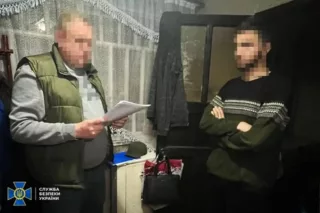
Earlier, it was reported that the Holy Trinity Convent in Korets once again became the subject of searches carried out by officers of the Security Service of Ukraine (SSU), accompanied by about 30 armed National Guardsmen. Law enforcement seized several books “for examination” and inquired whether any weapons were stored on the premises. During the search, conversations took place in a calm manner, with SSU officers subtly suggesting the advisability of changing church jurisdiction. Notably, the discussion was not focused so much on joining the OCU, which, according to the officers, might provoke resistance, but rather on the possibility of transitioning to another local church — such as the Ecumenical Patriarchate or the Polish Orthodox Church.
Read also