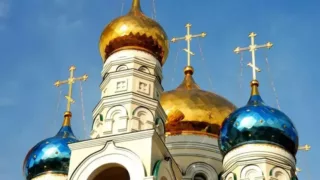
We will remind you that earlier, the head of the State Historical and Architectural Reserve “Ancient Kyiv” (part of the Ministry of Culture of Ukraine, — ed.) Roman Malenkov stated that in the near future, the “reserve” will begin work on the expropriation of the Pokrovsky and Florovsky monasteries of the UOC, as well as the Holy Cross and Ilyinsky churches, which are architectural monuments. Malenkov claims that it will be possible to take these religious buildings away from the Church thanks to a decision by the State Service for Ethnic Policy and Freedom of Conscience, which “found” signs of the UOC’s affiliation with the Moscow Patriarchate.
“We brought this day closer as best we could”: former MP on the ban on the UOC
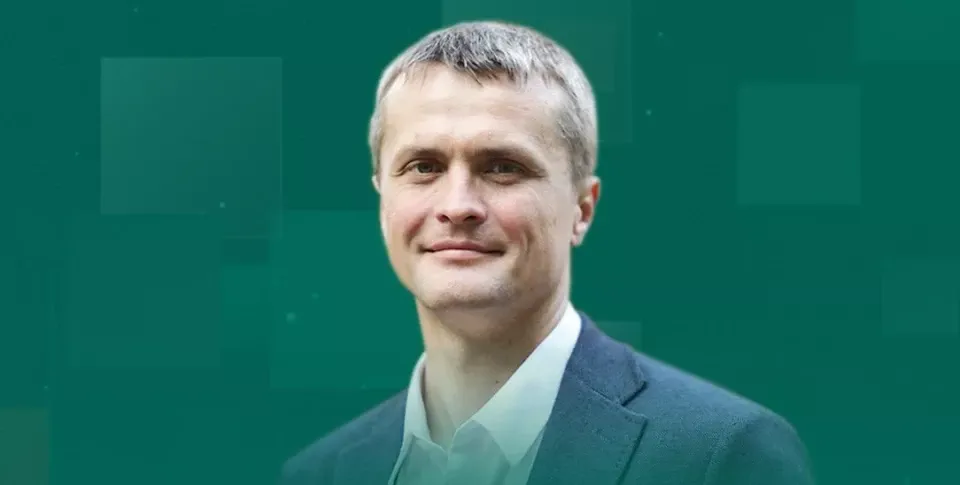
Former member of the Verkhovna Rada of Ukraine Ihor Lutsenko commented on the ban on the Ukrainian Orthodox Church. The politician called the ban on the Church a “strong legal step,” also noting the need to take away the capital’s monasteries from the Ukrainian Orthodox Church. He wrote about this in his column on the Espreso website.
“This is a very strong step in legal terms. It is a recognition that the ”KM UOC” works for the enemy. We brought this day closer as best we could. And the slow Ukrainian bureaucratic machine delayed it as much as it could. Years of great war passed, and almost every month, UOC functionaries (“priests of the UOC”) were arrested for espionage and sabotage, but the Ukrainian state did not see the fact that spiritually and physically the UOC=ROC=FSB, even though the second part of this equation had long been fixed in the legal field,” – wrote the former deputy.
The politician also noted that he is concerned about whether the anti-church law will work to its full extent. In particular, he mentioned a number of monasteries of the Ukrainian Orthodox Church in Kyiv, which, in his opinion, should be taken away from the UOC.
“So, in fact, the main question is: what next? Will there be anything next at all? Why are there structures in the Ukrainian capital that are officially linked to the Russian authorities? When will this stop? Why are the so-called monasteries flourishing and thriving – Ioninsky, which operates unhindered in the middle of the Hryshko Botanical Garden, Frolovsky, which is enthusiastically building new sheds on the authentic landscape of Podil, Pokrovsky, where historical and cultural heritage is regularly destroyed, and Holosiivsky, where Russian agents are periodically detained? Will officials and support staff from law enforcement agencies join our fight?”, – Lutsenko asks.
Read also