How the OCU uses the Ukrainian diplomatic corps to its advantage
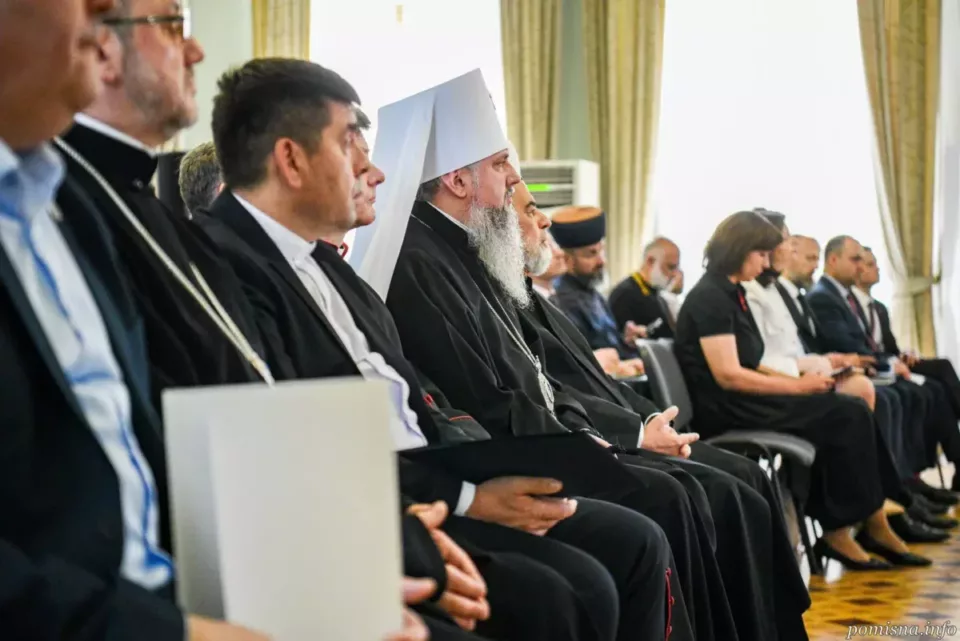
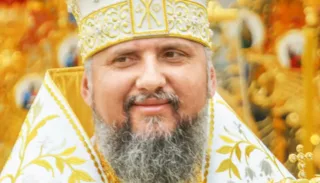
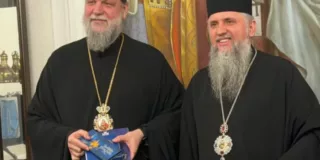
Over the past few days, the head of the OCU, Epiphanius Dumenko, has held a series of high-profile meetings with ukrainian ambassadors in various countries. Our attention was drawn to meetings with the ukrainian ambassadors in Poland, Romania, Turkey, and the Vatican. It is noteworthy that Dumenko has serious problems with Poland and Romania, while Turkey and the Vatican are likely to be useful to the OCU.
As we remember, the Polish Autocephalous Orthodox Church refused to recognize the OCU, after which the Ukrainian schism, in violation of the Tomos, began to work on the development of “chaplaincy missions” on the territory of Poland. All this work is actually happening “underground” and is aimed at the Ukrainian diaspora. At the same time, the Romanian direction has relatively recently begun to cause serious trouble for the OCU due to the desire of the Romanian Patriarchate to open its jurisdiction in Ukraine.
From brief press releases, we learn that the development of a mission to support refugees was discussed with the Ukrainian ambassador to Poland. That is, it is obvious that the OCU is not going to stop at what has been achieved in Poland and will continue to develop its activities there. It is characteristic that no one pays attention to the fact that such actions of the OCU not only violate the Tomos, but also create additional problems for the unity of world Orthodoxy, which is already shaken. It is obvious that the PAOC will perceive the actions of the OCU as sanctioned by the Patriarchate of Constantinople.
As for the Romanian direction, most likely, the meeting with the Ukrainian ambassador to Romania is the last attempt to find common ground with the Romanian Patriarchate, which Epiphany is unlikely to succeed in, given his recent attacks on the Romanian Orthodox Church. It is obvious that Bucharest has realized that it will not be able to get what it wants from the OCU. On the other hand, it is quite possible that local political elites will exert pressure on the Romanian Orthodox Church, and Ukrainian diplomats may turn to them with a corresponding request.
However, the most interesting thing is the meeting with the ambassadors of Turkey and the Vatican. It was casually mentioned that preparations for the celebration of the 1700th anniversary of the First Ecumenical Council were discussed. Since this topic is being closely studied today in Phanar and the Vatican, Epiphany’s choice of the ambassadors of Ukraine in these countries is obvious. In other words, Dumenko plans to participate in this event, the highlight of which will be some kind of “spiritual union” between Patriarch Bartholomew and Pope Leo XIV.
It is not difficult to guess where the head of the OCU stands in this case. Obviously, having given up hope of recognition of the OCU through ecclesiastical channels, Dumenko decided to do so through the Ukrainian diplomatic corps. While claiming that the OCU is not a state church, the organization is in fact acting in the opposite manner, completely merging with the current political course of the country and receiving corresponding preferences in the form of support and representation at the international level.
Read also