Pressure on the UOC in Ukraine: The situation became the subject of discussion at the European Commission
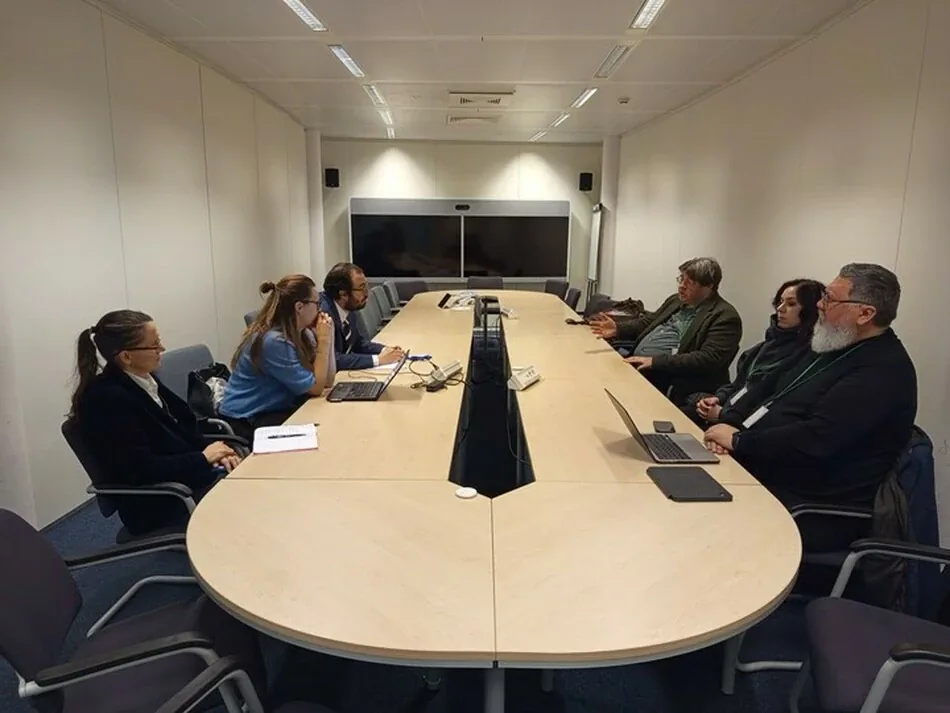
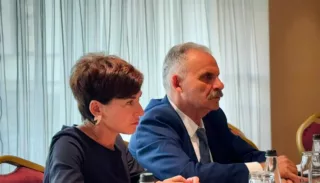
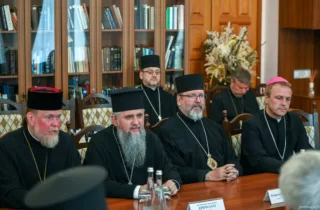
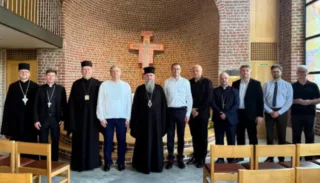
Representatives of the European Commission and the European External Action Service met with international experts in Brussels on the situation of the Ukrainian Orthodox Church (UOC). Human rights activists and researchers expressed serious concerns about the pressure on the Church and the growing number of conflicts, while the EU representatives reiterated that respect for religious freedom remains an important part of the dialog with Ukraine.
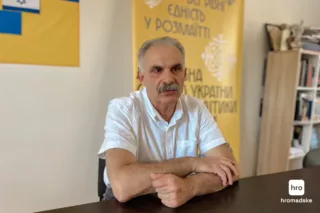
According to Baznica.info, the first meeting was held at the European Commission, where experts, including sociologist Mykola Mitrokhin, discussed the situation with EU representatives. The human rights activists emphasized that the UOC, despite its public patriotic stance, is increasingly becoming a target of persecution. According to Mr. Mitrokhin, the pressure exerted on the Church “is not explained by the scale of real criminal cases, which are relatively few”, but is connected with the purposeful formation of the image of an “internal enemy”. In response, the representatives of the European Commission assured that the issues of freedom of conscience are an integral part of the dialog between the EU and Ukraine.
The second discussion took place at the European External Action Service (EEAS). At it, Mykola Mitrokhin presented a historical overview, noting that until recently Ukraine stood out for its high level of religious freedoms. In his opinion, the situation changed dramatically after 2018, when the state authorities supported the establishment of the PCU. This process, according to the researcher, was accompanied by a “very aggressive propaganda campaign,” in which many Ukrainian media outlets began publishing highly biased information about the UOC.
The researcher described how the information campaign escalated into mass conflicts on the ground, where “local residents – ordinary women – are trying to defend their churches from groups of young activists.” Particularly disturbing, he said, are the methods of the security forces. It is reported that in 2022-2023, the Security Service of Ukraine conducted about 1,300 searches in monasteries and churches of the UOC, during which even the seizure of a children’s Bible in Russian could be presented as “evidence of Russian propaganda.” EEAS employees, in their turn, emphasized that the European Union, supporting Ukraine, expects the country to respect fundamental rights, including the protection of freedom of religion.
We shall remind you that earlier we reported that the European human rights organization Observatory on Intolerance and Discrimination against Christians in Europe (OIDAC Europe) expressed serious concern over the legislation adopted in Ukraine aimed at banning the Ukrainian Orthodox Church (UOC). In its annual report, the organization drew attention to a law passed in August 2024 that could lead to the dissolution of the UOC in court due to alleged ties to Russia.
Read also