Ukraine may allow official marriage registration in a church without visiting the civil registry office
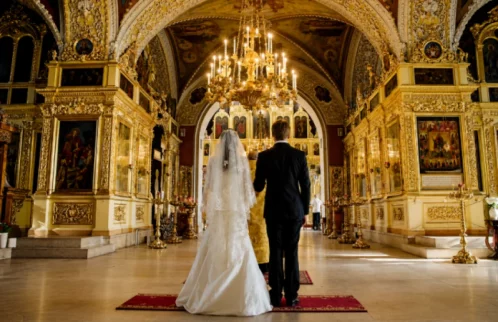
As part of the discussion on the draft of Ukraine’s new Civil Code, the possibility of introducing a religious form of state marriage registration is being considered. This initiative would allow citizens to officially formalize their marital relationships through authorized clergy, thereby eliminating the need for a mandatory visit to the civil registry office (ZAGS).
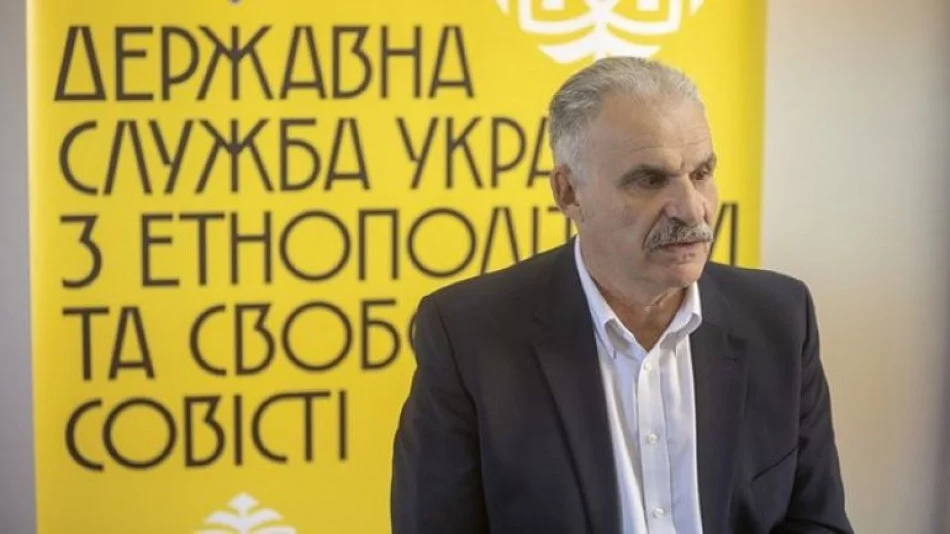
According to the publication SUD.UA, the State Service of Ukraine for Ethnopolitics and Freedom of Conscience is ready to support this innovation if it is officially proposed. Under the concept, in addition to performing the religious ceremony, the clergyman would need to obtain special authorization from the state to register the marriage, followed by the entry of the relevant information into the State Register of Civil Status Acts.
Although the marriage procedure in Ukraine has been significantly simplified and expedited in recent years, experts see practical benefits in this new approach. In particular, such registration may be in demand in frontline settlements, where the church is often one of the few functioning institutions supporting the livelihoods of local communities.
During the discussions, representatives of the All-Ukrainian Council of Churches and Religious Organizations supported the definition of marriage enshrined in the draft as a union between a woman and a man. However, the legal community is calling for a detailed elaboration of the concepts. Experts insist on a clear distinction between “registered marriage” and “de facto cohabitation as a family.” Particular attention is being paid to the terms “marital union” and “family union,” which, according to lawyers, should not blur the legal boundaries of the official status of spouses.
As a reminder, we previously reported that the Verkhovna Rada of Ukraine is considering the possibility of introducing a European model for financing religious communities, which would allow citizens to independently allocate a portion of their taxes to support churches of their choice. According to Nikita Poturaev, chairman of the Committee on Humanitarian and Information Policy, such an initiative will become relevant after the war ends and victory is achieved.
Read also