The Church of England has scrapped its LGBT relations program due to serious internal controversy
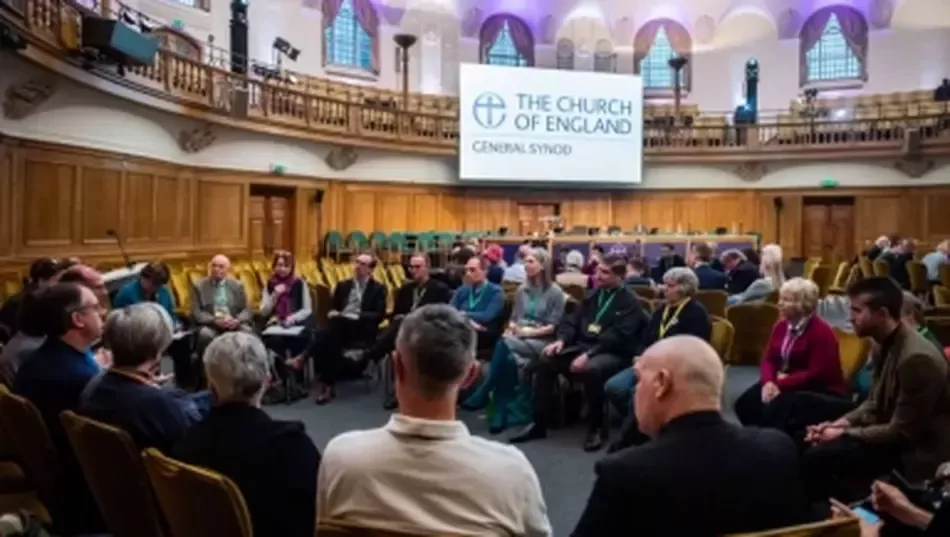
The Church of England’s multi-year process of examining and debating Living in Love and Faith (LLF), which led to the approval of blessings for same-sex couples, will be formally ended in July. The decision to end the process was taken by General Synod, the Church’s parliamentary body, after a heated debate. It means that, at least for the time being, the Church of England will not introduce separate blessing ceremonies for same-sex couples, although blessings as part of regular services are already permitted. The LLF process has left deep wounds and ongoing divisions among Church members, causing pain and frustration among both supporters and opponents of the reforms.
According to Christian Today, the General Synod approved a motion to end the LLF during a debate on Thursday. The motion, introduced by Archbishop Stephen Cottrell of York, also called on Synod to “recognize and mourn the suffering and pain that many have endured in the LLF process, especially LGBTQI+ people.” The vote showed support for ending the process by all three chambers: bishops voted 34 in favor and 0 against; clergy, 109 in favor, 62 against with 10 abstentions; laity, 109 in favor, 70 against with 9 abstentions.
Archbishop Cottrell, addressing the Synod, acknowledged that the situation was not in line with his initial hopes and emphasized: “I know that, whatever your position in the debate, many of you feel anger and frustration.” The Archbishop of Canterbury, Dame Sarah Mullally, also noted that the LLF had been a difficult process that had left “wounded us as individuals and as a Church”. Nevertheless, she hoped that the path proposed was sensible and would provide a structured framework for the way forward.
The main reason for refusing separate services to bless same-sex couples is official Church of England doctrine, which defines marriage as a lifelong union between a man and a woman. The House of Bishops, having considered legal and theological opinions, concluded that it was not possible to introduce separate ceremonies without meeting formal synodal and canonical requirements that maintain legal and doctrinal integrity. There were concerns that such services would give the impression of doctrinal change, as well as a reluctance to create a situation in which traditionalist parishes that did not accept same-sex blessings would have to delegate episcopal ministry.
The LLF process was launched in November 2020 as a church-wide process of listening and reflection on gender identity, sexuality, relationships and marriage. It led to Synod’s approval in February 2023 to bless same-sex couples as part of ordinary services. Churches wishing to do so were able to begin using the Prayers of Love and Faith in December of that year.
Despite the official end of the LLF, work will continue on these matters. The Synod motion thanked members of the LLF working groups for their “dedicated and costly work” and approved the creation by the House of Bishops of two new groups to further explore these issues: the Working Group on Relationships, Sexuality and Gender and the Advisory Group on Pastoral Care for Relationships, Sexuality and Gender. Archbishop Cottrell acknowledged that the Church and the House of Bishops “remain divided” on the issues raised by the LLF and dialogue will continue.
The Synod debate revealed deep emotion on both sides. Some LGBT Christians spoke of their pain and hurt, while conservative Anglicans also emphasized their anguish. Simon Clift, a layman from the Diocese of Winchester, noted, “Those who, like me, hold to historic teachings also feel this pain, and all groups need to be recognized.” Busola Sodeinde, a laywoman from London, expressed outrage that traditionalists, including those who have spoken out from provinces in the Global South, are sometimes labeled “homophobic.” “To call them ‘homophobes’, as some do when they believe they are striving to remain faithful to the word of God, is not only unhelpful, but extremely unfair,” she said.
Oxford vicar Vaughan Roberts, although describing the LLF process as “grueling”, suggested radical differentiation by settlement as “less painful” than the alternatives, which could lead to deep damage and the departure of many evangelicals from the Church. However, the Bishop of Chelmsford, Dr. Guli Francis-Decani, said earlier in the debate that the option of settlement was not being considered at this time.
Archbishop Cottrell concluded that although there was “great unanimity” among the bishops in 2023, it soon became clear that they had different ideas about what they were bringing and may not have been honest with themselves about the lack of unity. “It was a sobering lesson, but perhaps it is better and more honest for us to say so,” he concluded.
Recall, earlier we reported that an ecumenical prayer service was held in New York, in the Holy Trinity Cathedral, which is under the jurisdiction of the Greek Archdiocese of the Patriarchate of Constantinople in the United States (Phanar), which caused a significant resonance. The event was attended by representatives of various Christian denominations, including Katrina Foster, the first open lesbian to hold the position of “bishop” in the Evangelical Lutheran Church of America (ELCA), and “priestess” Kirsten Guidero, known for promoting gender theory.
Read also