US Congressman unveils plan to end violence against Christians in Nigeria
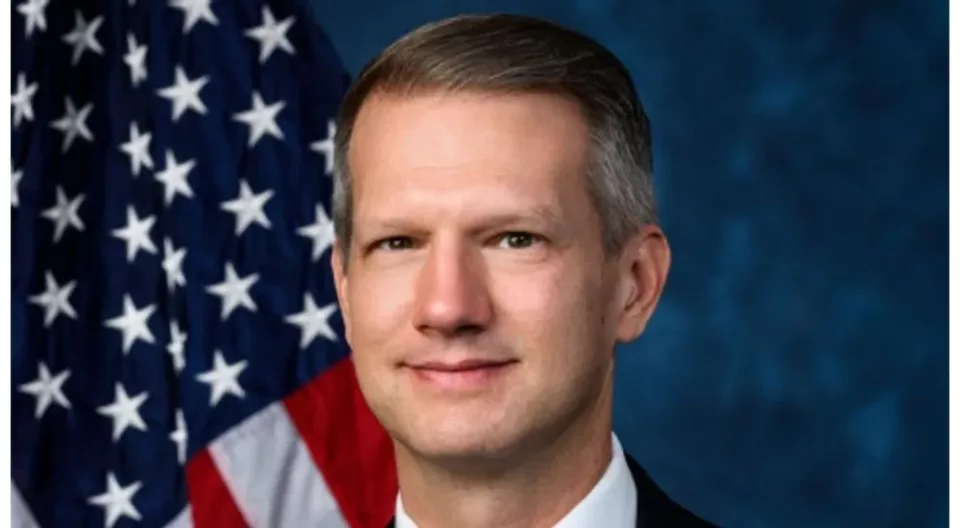
The United States of America has unveiled a comprehensive plan aimed at ending the endemic violence in Nigeria, especially against Christian communities. The report, drafted by Congresswoman Riley M. Moore, proposes a bilateral agreement, military cooperation, and financial terms, while Nigeria, where more Christians have been killed than all other countries in the world combined, according to the Open Doors organization, denies state policies of religious persecution but expresses a willingness to cooperate.
Christian Today reports that more Christians were killed in Nigeria last year than in the rest of the world combined. The country’s security services have generally been unable to prevent the ongoing wave of killings, raids and kidnappings by Islamist militias, Fulani herdsmen and bandit groups. The US has taken a heightened interest in the situation, and Donald Trump has even previously ordered airstrikes on Islamist camps in the country in response to violence against Nigeria’s Christian community.
The first recommendation in Moore’s report is for a “bilateral agreement between the United States and the Nigerian government to protect vulnerable Christian communities from violent persecution, eliminate jihadist terrorist activity in the region, further economic cooperation, and counter adversaries in the region, including the Communist Party of China and Russian Federation”.
The proposed plan also suggests that Nigeria should divest itself of Russian military equipment “in favor of U.S. military equipment through sales and financing.” In addition, the report recommends that the U.S. government withhold certain funds from Nigeria if its government does not show sufficient commitment to ending anti-Christian violence.
Nigeria’s population is split roughly equally between Christians and Muslims, and the country currently ranks 7th in the world for persecution of Christians according to the organization Open Doors. Last year, Nigerian President Bola Tinubu declared a nationwide state of emergency and said he would double the size of the police force. But Christian groups have criticized his refusal to acknowledge the sectarian nature of much of the violence. The U.S. report emphasized that Nigeria must show “political will” and commit its own resources to end the violence.
In response to the report, Nigerian Information Minister Mohammed Idris said, “It is important to make it clear that Nigeria does not have, and has never had, a state policy of religious persecution.” He added that “the violence faced by our security services is not due to state policy or religious bias, but to complex security threats, including terrorism, organized crime and long-standing communal tensions.”
Read also