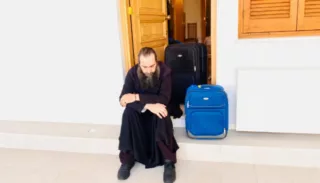
Analysis of the Metropolitan Tychicus case: Archbishop George of Cyprus is accused of arbitrariness and violation of canon law
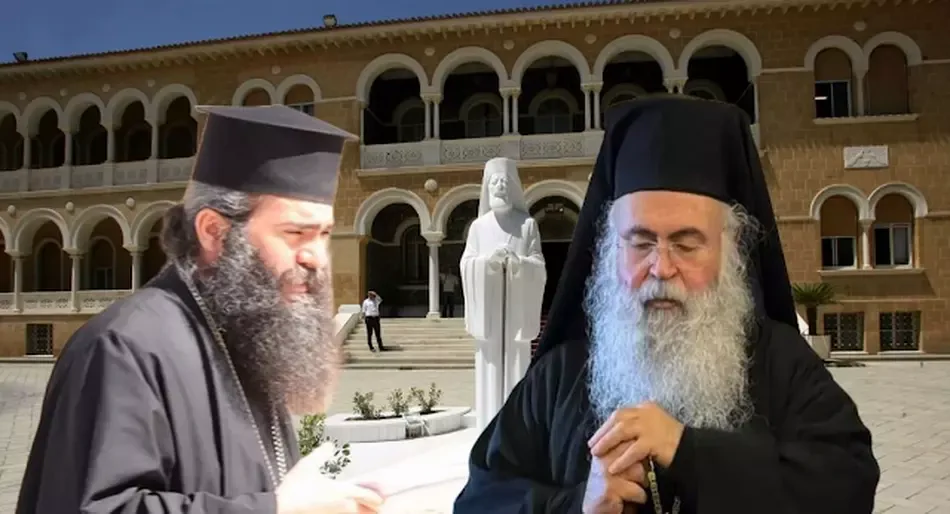
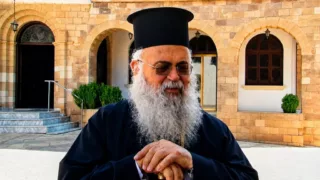
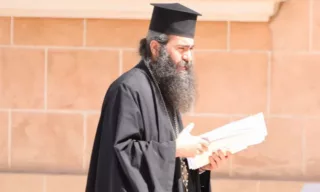
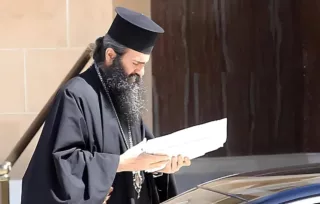
The conviction of Metropolitan Tihikos of Paphos has raised serious legal and canonical concerns about the legality of the process and the observance of fundamental principles of fair trial. The public statement by His Beatitude George Archbishop of Cyprus on June 8, 2025, that the process complied with the Statutes and was “fair” is contradicted by the facts presented. An analysis of the procedure revealed that all critical stages of the trial were concentrated solely in the hands of one person, which is regarded as unprecedented arbitrariness and a violation of basic canonical and legal principles. This is reported by Vima Orthodoxias.
A detailed legal and canonical analysis published by the source highlights ten key issues that call into question the objectivity and legitimacy of the process:
- Applicant – Prosecutor: According to the Statutes, the applicant must be a separate person from the one involved in the judgment. However, Blessed George is pointed out to have personally assumed the role of the complainant, prejudging the decision and undermining impartiality, in direct violation of the principle of separation of powers.
- Investigator: The role of the investigator is to investigate complaints and suggest referrals. Archbishop George allegedly assumed this role as well, without collective legitimization from the Holy Synod, creating a clear conflict of interest.
- Decision on referral: Refer rals must be made collegially. Blessed George’s unilateral decision to refer a case to the court nullifies the principle of collective responsibility and violates canonical procedure.
- Church Attorney: The position of Church Attorney is intended to ensure the objective presentation of the prosecution. It is argued that the holding of this position by a person who has already publicly expressed a negative opinion of the defendant completely undermines the impartiality of the process.
- Indictment: The drafting of the indictment must be clear and well reasoned. According to the analysis, Blessed George himself drafted and approved the indictment, depriving Metropolitan Tychicus of a substantial opportunity for defense and rendering the trial formally and factually unfair.
- Draftingof the indictment: The sole drafting of the indictment violates the principle of objectivity and nullifies the procedural balance between prosecution and defense.
- Indictment: Indictment by the same person who drafted the indictment and was the complainant constitutes a direct violation of the presumption of innocence and fair trial principles.
- Announcementof the indictment at trial: Announcement of the indictment by a person who has combined all previous roles undermines any guarantee of impartiality and turns the trial into a “travesty” unfit for the administration of justice.
- Prosecution witness: The sole presence of a prosecution witness who is identical to the complainant and the investigator nullifies the balance between prosecution and defense, violating the basic procedural principle of equality of arms.
- President of the court: The position of president requires absolute impartiality. By combining all of the above powers, Blessed George has rendered the court incapable of objective judgment, turning the process into a personal vendetta.
In addition to canonical violations, the authors of the analysis raise the issue of Blessed George’s criminal responsibility. According to the analogy with the application of Article 259 of the Criminal Code, anyone who causes unjust harm to a person because of his position or status is criminally liable. The arbitrary condemnation of Metropolitan Tikhik is said to have caused him serious harm and undermined the authority of the Church, creating a direct violation of fundamental principles of law. It is therefore proposed that the Archbishop be summoned before the criminal courts to assess his guilt and impose an appropriate punishment in order to restore justice and protect the presumption of innocence.
In conclusion, Blessed George’s actions are regarded as extremely serious canonical and legal arbitrariness, with clear violations of the basic principles of a fair trial (impartiality, presumption of innocence, separation of roles), the Church Charter and international standards of fair trial and human rights. The analysis calls on the Holy Synod and the competent authorities to immediately review the procedure, restore objectivity and, if necessary, refer the case of His Beatitude George to criminal justice in order to correct the injustice suffered by Metropolitan Tychicus and to preserve the people’s trust in the Church.
Read also