"10 thousand parishes and 3% support": KIIS says UOC is the least popular denomination in Ukraine
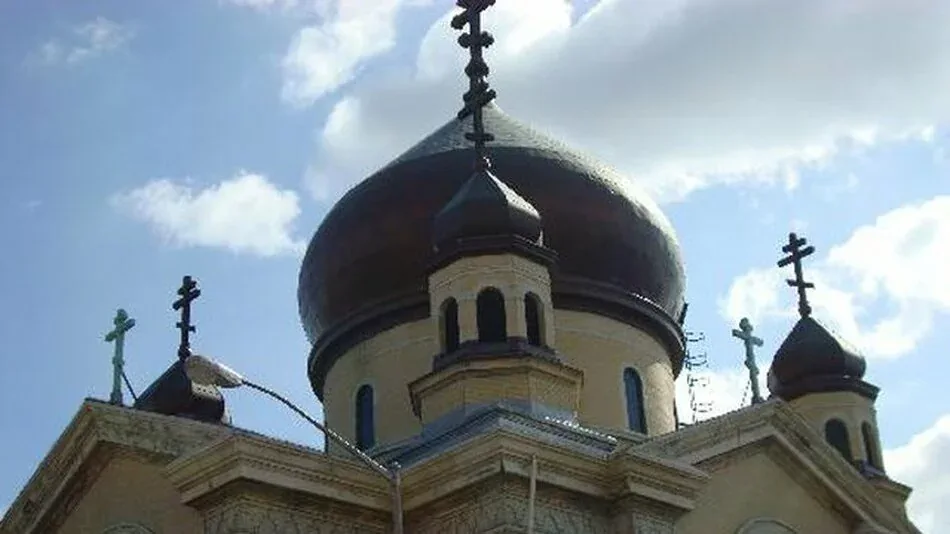
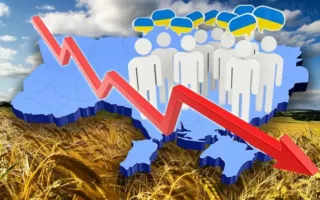
According to an all-Ukrainian survey conducted by the Kyiv International Institute of Sociology (KIIS) in the fall of 2025, the religious self-identification of Ukrainians demonstrates stability in key areas while secularization is growing. According to the KIIS, 63% of citizens currently consider themselves Orthodox, while exactly half of those surveyed (50%) allegedly identify themselves with the OCU.
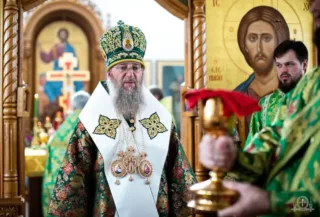
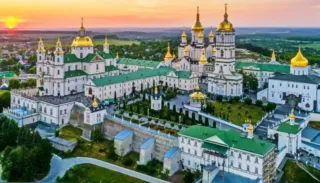
According to Interfax-Ukraine, there are changes in the structure of the Orthodox population: only 3% of respondents identify themselves as belonging to the Ukrainian Orthodox Church (UOC), while 9% identify themselves as Orthodox without specifying jurisdiction. The study indicates a general decline in the share of Orthodox Christians compared to the period of 2020-2024, when this figure was 70-72%.
Sociologists pay special attention to the growing number of atheists, whose share reached 16% in 2025. For comparison, until 2022, this figure ranged from 7-8%. This trend is most pronounced among young people aged 18 to 29, where the share of atheists and agnostics is 34%. «The role of religion in the lives of many Ukrainians is actually not as deep as it may seem, and, quite likely, has other, more secularized shades — for example, in the context of Ukrainian national identity,» said KIIS Executive Director Anton Grushetsky.
Among other denominations, 6% of respondents identified themselves with the Ukrainian Greek Catholic Church (UGCC), 2% with Protestant churches, and 1% each with the Roman Catholic Church and Judaism. Statistics also show a decline in trust in the church institution in general: while in 2012 this figure was 62%, by 2025 it had dropped to 44%.
The regional breakdown of the study showed that the OCU is supposedly leading in all macro-regions. However, the western part of the country traditionally has a higher share of Greek Catholics (19%), while the eastern part has the highest percentage of atheists (21%) and supporters of the UOC (10%). The survey was conducted by telephone interviews from September 19 to October 5, 2025 among 2015 adult respondents in all government-controlled regions.
It is worth noting that the aforementioned poll results completely ignore the recent report of the State Service of Ukraine for Ethnic Policy and Freedom of Conscience, which, in particular, states that, despite various pressures, the Ukrainian Orthodox Church remains the largest religious organization in Ukraine.
Read also