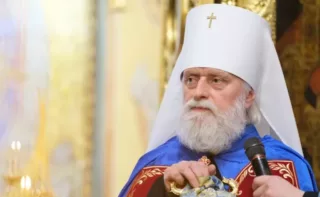
The UN says the Estonian Orthodox Christian Church is systematically discriminated against
The United Nations Human Rights Council (UNHRC) review of the situation in Estonia revealed large-scale discrimination against the Estonian Orthodox Christian Church (EOCC). Human rights activists point to systematic violations of the rights of believers and the use of national security legislation for political pressure on religious organizations and the Russian-speaking minority.
According to the official website of the Moscow Patriarchate, the materials of the Office of the UN High Commissioner included a report by the Geneva-based human rights organization Justice pour Tous Internationale (Justice for All). The document describes in detail the discriminatory policy of the Estonian authorities towards the canonical Orthodox Church, which faces constant repression from the legislative and executive bodies.
Of particular concern to the experts is the application of Article 235 of the Estonian Criminal Code, expanded in 2019. The new wording on «support» of foreign organizations turned out to be so vague that it allowed to criminalize the very belonging to canonical confessions. According to human rights activists, this leads to a lack of transparency in court proceedings and violates the International Covenant on Civil and Political Rights.
The situation worsened after the amendments to the «Law on Churches and Parishes» of June 18, 2025. This act prohibits the maintenance of «spiritual ties» with foreign religious centers deemed a security threat by the authorities. The law allows religious communities to be deregistered without a court order and clergy to be suspended on closed grounds. The report notes that the EPCC has faced expulsion of its leadership and the threat of complete dissolution under the pretext of national security.
In conclusion, human rights activists called on the Estonian authorities to immediately stop the campaign against the EHCC, including the practice of expulsions and denial of residence permits for clergy. The organization stressed the need to restore the autonomy of the Church so that the religious identity of citizens is not sacrificed to changing political calculations.
We would like to remind you that earlier we reported that in its annual report the Estonian Intelligence Agency called the Estonian Orthodox Christian Church a «threat to national security».
Read also