Estonia has ordered the Orthodox Church to sever ties with the Moscow Patriarchate
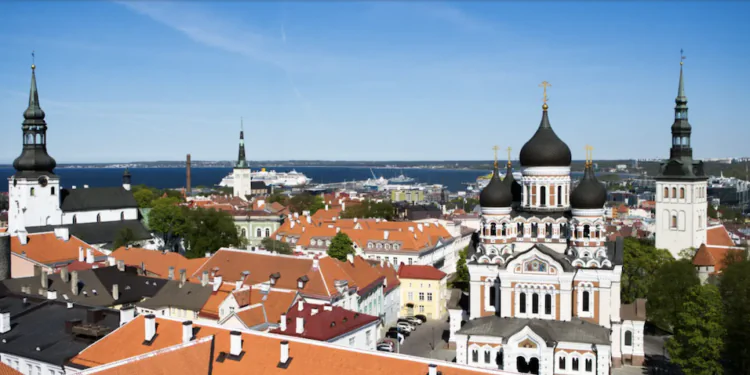
The Estonian Ministry of the Interior has set a six-month deadline for the Estonian Orthodox Christian Church (EPCC) to bring its activities into compliance with new legislation prohibiting religious organizations from maintaining ties with foreign entities that threaten the country’s national security. According to the Orthodox Times, amendments to the “Law on Churches and Parishes,” which took effect on June 27, require full compliance by December 28; otherwise, the organization faces forced dissolution.
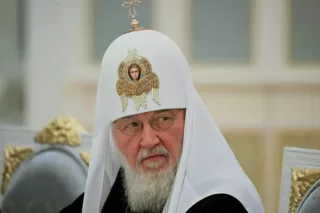
The authorities’ main requirement is the complete removal from the church’s charter of any references to its dependence on the Moscow Patriarchate and Patriarch Kirill. Under current rules, the patriarch’s signature is required to approve the budget, annual reports, and the election of governing bodies. Ilmo Au, an advisor to the Ministry of the Interior, emphasized that the local clergy must make a choice: “to serve the Triune God or the Kremlin and the Patriarch of Moscow.”
Experts note that the process may face legal complications. Priit Rohtmets, an associate professor of church history at the University of Tartu, believes the situation could lead to protracted legal proceedings similar to those already underway in Ukraine. The main question is whether a formal amendment to the documents will be sufficient to recognize the severance of ties if the foundational church Tomos remains in force. Over the next six months, it will become clear whether the church can adapt to the new legal framework without ceasing its activities.
As a reminder, we previously reported that the Estonian State Court’s June 8 ruling on the Churches Act did not put a definitive end to the dispute over the status of the Estonian Orthodox Christian Church and the Pühtitsa Monastery. Despite the widespread belief that, once the law takes effect, religious organizations will have no choice but to sever ties with Moscow, the legal situation remains considerably more complex: the court confirmed the possibility of a constitutional interpretation of the law but established a number of significant restrictions on its application.
Read also