Archaeologists begin searching for the Ark of the Covenant in Jerusalem using muon detectors
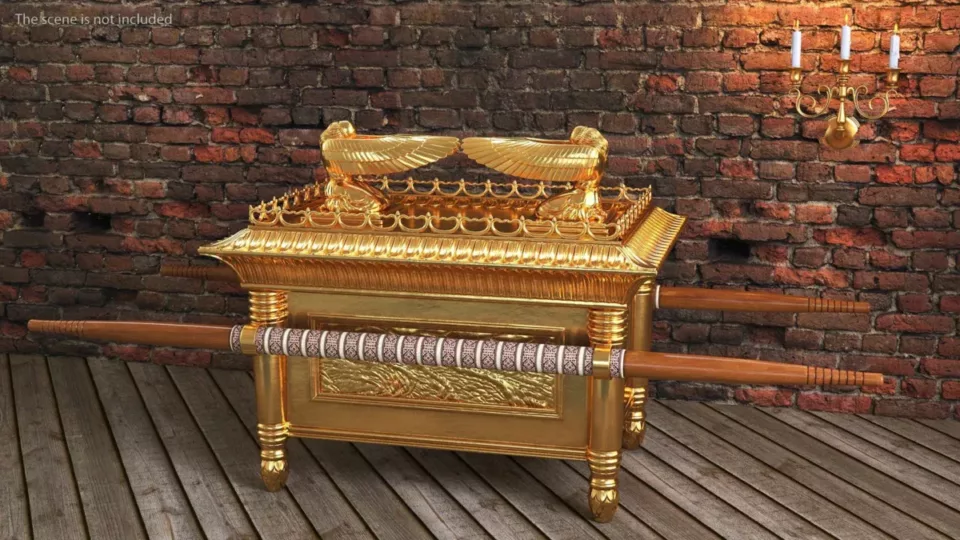
A team of researchers has initiated a large-scale project to search for the legendary Ark of the Covenant in the underground cavities of Jerusalem using innovative scanning techniques. The scientists plan to apply modern technology to discover hidden chambers and artifacts in the historic center of the city without resorting to traditional excavations.
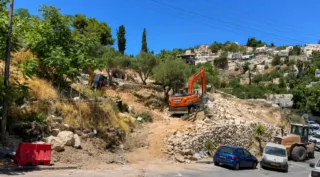
According to DailyMail, archaeologist Dr. Chris McKinney has proposed a theory that the sacred relic may be hidden in the City of David’s underground tunnel system. To test this hypothesis, researchers have begun using muon detectors – high-tech devices that track subatomic particles of cosmic origin. This technology allows scientists to conduct detailed probing of deep layers of soil and detect voids without disturbing the integrity of the soil and architectural monuments.
The first stages of scanning the terrain have already yielded promising results: the equipment has revealed previously unknown structures beneath the ancient landscape, confirming the existence of a network of secret tunnels. The use of remote sensing techniques such as GPR and seismic scanning is critical, as full-scale archaeological excavations on the Temple Mount are almost completely ruled out for religious and political reasons.
According to historical data and biblical narrative, the Ark of the Covenant disappeared after the Babylonians captured Jerusalem in 586 B.C. In his research, Dr. McKinney relies on ancient legends, including the Second Book of Maccabees, which states that the prophet Jeremiah deliberately hid the Ark and other sacred objects in a cave to save them from desecration and destruction by the invaders.
Recall that American journalist Tucker Carlson claimed that a significant number of Israeli soldiers, including American volunteers, are engaged in combat operations to rebuild the Third Temple. Carlson backed up his claims by analyzing the patches on the uniforms of IDF soldiers, which, according to him, depict the symbol of the temple, as well as quotes from soldiers about the purpose of their participation in the conflict.
Read also