The Future of St. Catherine's Monastery in Sinai: Legal Challenges and Geopolitical Pressures
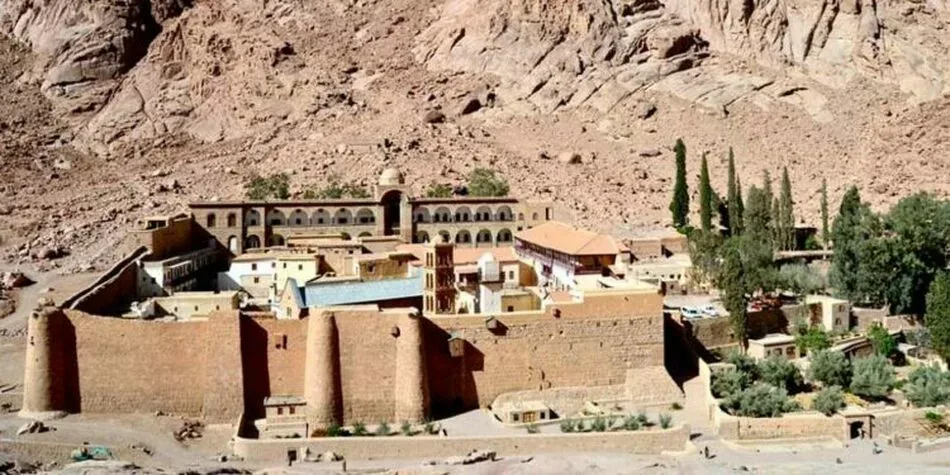
The Monastery of St. Catherine on Mount Sinai has found itself at the center of a complex diplomatic and legal game caused by Egyptian government decisions and plans for large-scale tourist development in the region. Despite the Greek government’s efforts to protect the monastery through the creation of a special legal entity, the situation remains uncertain amid the changing geopolitical environment in the Eastern Mediterranean.
According to the Orthodox Times, public attention to the monastery has escalated following an Egyptian court decision to confiscate monastery property and the unveiling of plans to turn the area into a tourist and development site. In response to these threats, the Greek government decided to establish a state legal entity called “The Greek Orthodox Holy Royal Autonomous Monastery of St. Catherine on the Holy and God-forsaken Mount Sinai” in order to strengthen the monastery’s legal status in negotiations with Cairo.
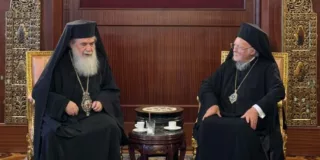
In parallel with the legal measures, the Greek authorities are taking steps to support the ancient Patriarchates (Constantinople, Alexandria, Jerusalem and Antioch). In particular, at least 600 official staff positions have been allocated to strengthen them. According to Orthodox Times, this issue was probably discussed during Ecumenical Patriarch Bartholomew’s recent visit to Athens and his meeting with the Greek Prime Minister.
Nevertheless, experts express concern about the slow progress in staffing the Patriarchates and the general geopolitical instability. The recent rapprochement between Egypt and Turkey and the signing of cooperation agreements between these countries may complicate the situation of Greek ecclesiastical institutions. With the instrumentalization of religion to achieve political goals, Orthodox hierarchs need to put aside internal differences to jointly defend their centuries-old privileges.
Read also