In Estonia, the Orthodox Church faces dissolution if it maintains ties with the Russian Orthodox Church
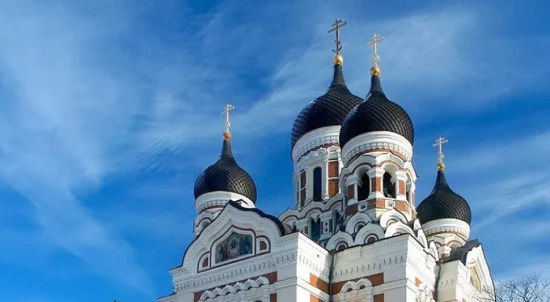
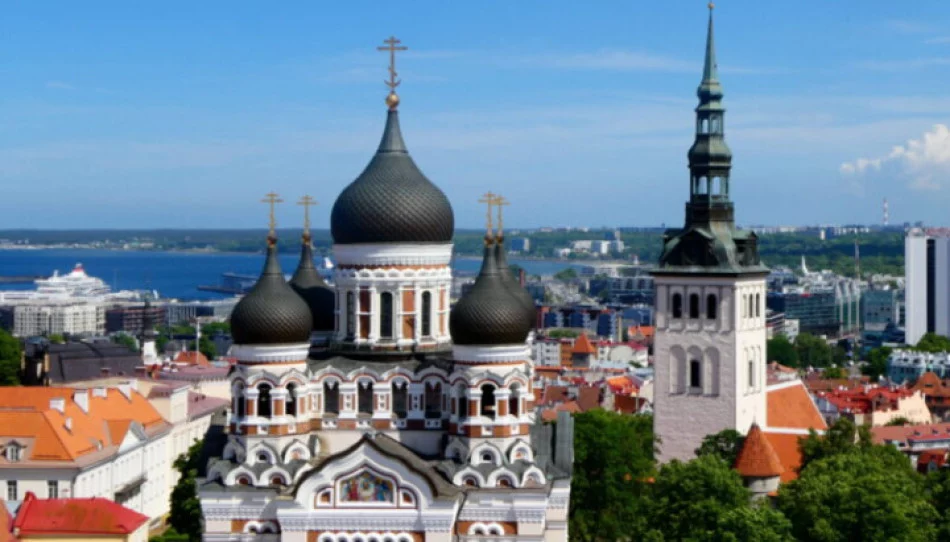
Estonian authorities have stated that the Estonian Orthodox Christian Church must sever its ties with the Moscow Patriarchate. A new law on churches and parishes, deemed constitutional, could lead to the church being declared illegal if it does not amend its charter, change its name, and sever ties with the Russian Orthodox Church.
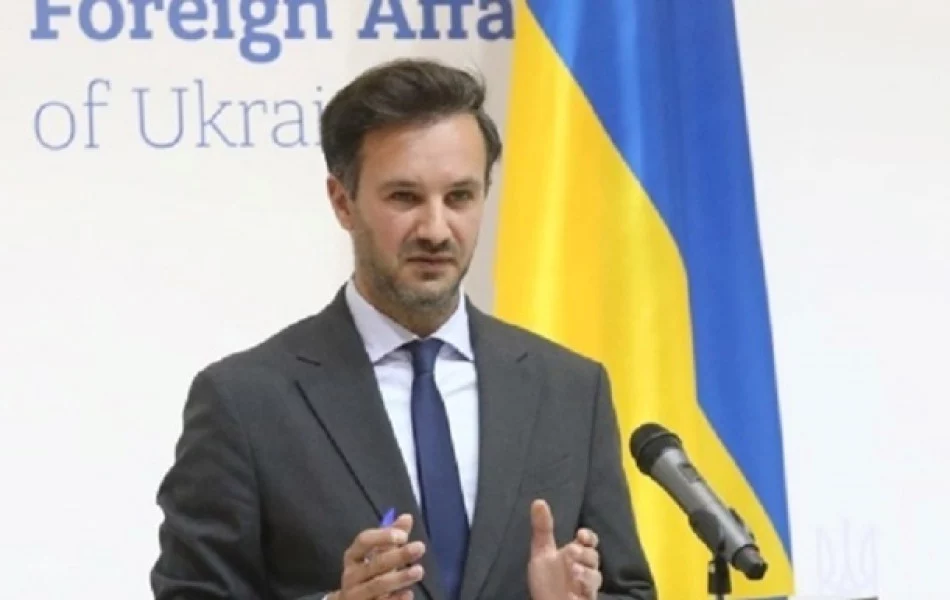
According to Moskovsky Komsomolets, Estonian Interior Minister Igor Taro stated that the adopted law supports the demand to sever the subordination of the Estonian Orthodox Christian Church, formerly known as the Estonian Orthodox Church of the Moscow Patriarchate, with the Russian Orthodox Church.
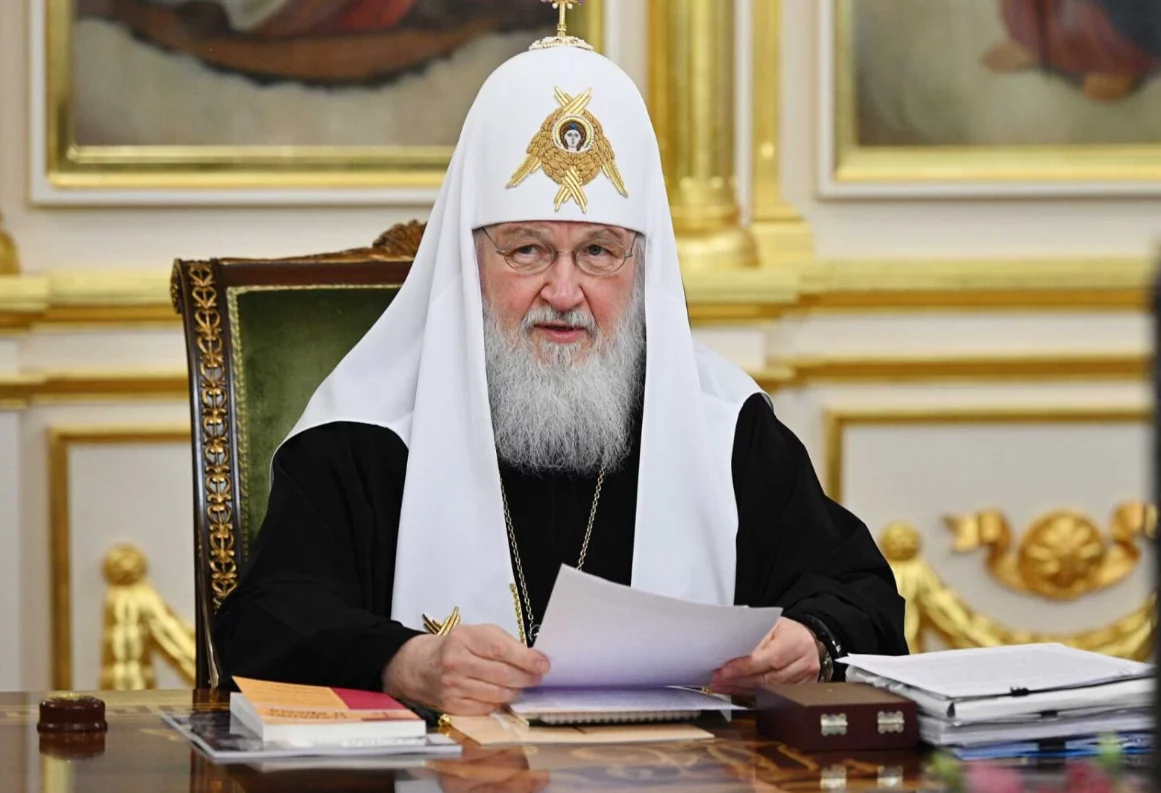
“We believe that the EOC should sever its subordinate relationship with the Moscow Patriarchate, which is based in Russia, and with Patriarch Kirill,” Taro stated. At the same time, the minister emphasized that, in the government’s view, the purpose of the law is to protect freedom of religion in Estonia and does not entail a ban on Orthodoxy as a religion.
The law had previously caused disagreements among the branches of government. Estonian President Alar Karis refused to sign the document, believing that it unduly restricts freedom of association and freedom of religion. However, the Estonian Supreme Court rejected the presidential veto and ruled that the law is constitutional. Following this, the head of state promulgated the document.
According to a source, the law is seen as primarily targeting the EOC. The Estonian government and parliament are demanding that the church sever ties with the Russian Orthodox Church, as well as amend its charter and change its name. Otherwise, it could face being declared illegal. The Estonian authorities justify their demands by stating that the Russian Orthodox Church supports Russia’s military actions in Ukraine.
As a reminder, the Estonian Orthodox Christian Church (EPCC) expressed its position on the recent verdict of the plenum of the Estonian State Court, which rejected the President of the Republic’s motion to review the constitutionality of amendments to the law on churches and parishes. Despite acknowledging the court’s decision, representatives of the clergy point to the persistence of serious legal contradictions and state their intention to potentially defend their rights before the European Court of Human Rights (ECHR).
Read also