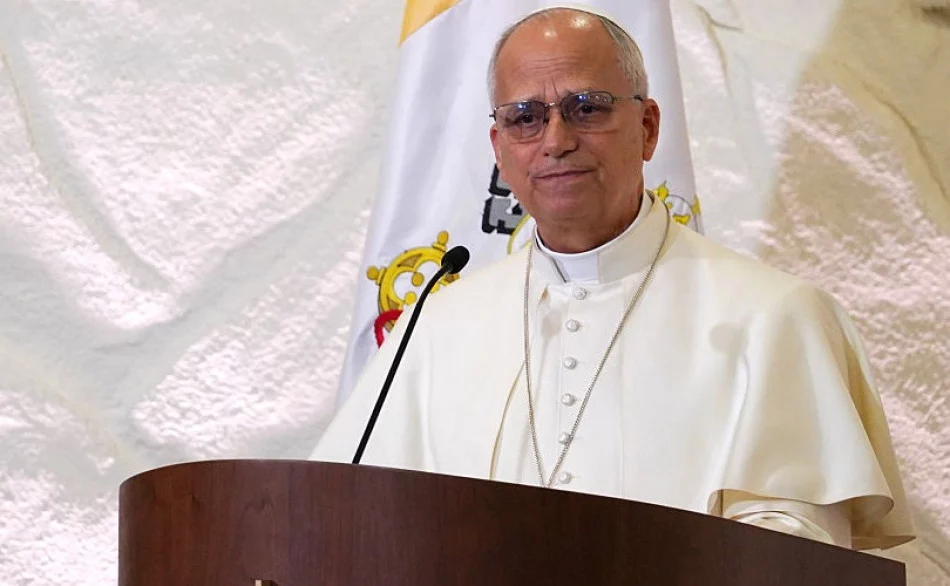
Catholic activists in the U.S. have called for the abolition of the death penalty

Catholic organizations in the U.S. are stepping up their calls to abolish the death penalty following a sharp increase in the number of executions carried out: In 2025, 47 people were executed in U.S. states, more than double the average over the past decade.
According to Vatican News, Krisan Vayankur Murphy, executive director of the Catholic Mobilizing Network, called this trend a “notable and tragic increase” in the number of executions. She noted that this is occurring at a time when more and more Americans consider the death penalty unacceptable, and the movement to abolish it is gaining momentum.
It is reported that in 2025, executions were carried out in only 11 states, while 39 states did not carry out any. Meanwhile, 23 states have already abolished the death penalty. The most striking situation is in Florida, where 19 death sentences were carried out over the course of the year—effectively one every two weeks.
Murphy emphasized that the death penalty does not bring healing to crime victims and their families. In her view, it causes additional suffering and perpetuates a cycle of violence: “violence begets even more violence.” The activist also noted that the issue of the death penalty is often used in political rhetoric as a way to demonstrate a tough stance on crime.
The article pays particular attention to the position of the Catholic Church. The Catechism of the Catholic Church states that the death penalty is unacceptable because it constitutes an attack on the integrity and dignity of the human person. In a video address on April 24, 2026, Pope Leo XIV also expressed support for those advocating for the abolition of the death penalty in the United States and around the world.
Separately, the Catholic Mobilizing Network draws attention to the situation in Ohio. Currently, 114 people, including two women, are on death row there; 28 of those convicted have already exhausted all avenues of appeal. According to Murphy, Ohio Governor Mike DeWine, who is a practicing Catholic and has publicly opposed the death penalty, has the opportunity to commute the death sentences of all these inmates before his term ends in January 2027.
The organization emphasizes that commuting a death sentence does not mean the release of the condemned: as a rule, it involves life imprisonment without the possibility of parole. According to activists, this approach makes it possible to simultaneously ensure public safety, hold the guilty accountable, and preserve an opportunity for repentance and atonement.
Murphy stated that Catholics can serve as a moral compass in the matter of protecting life “from conception to natural death.” According to her, the rejection of the death penalty should be part of a broader culture of respect for human dignity and the search for ways to heal those who have suffered.
Read also