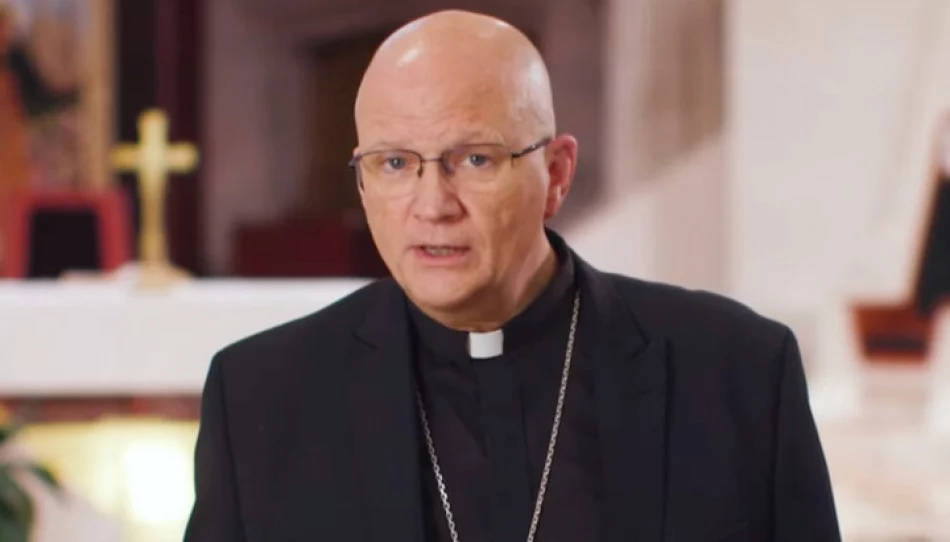
A Polish Roman Catholic clergyman called on Ukrainians to acknowledge their guilt for the Volhynia tragedy
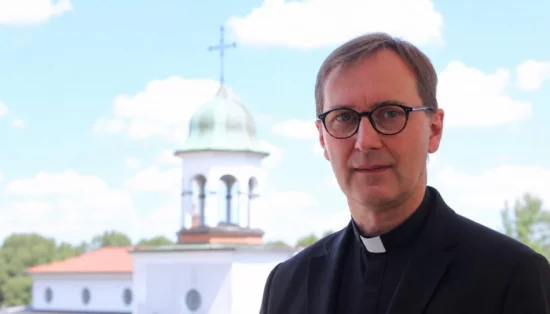
The issue of historical memory regarding the events in Volhynia from 1943 to 1945 has once again become the subject of heated debate among representatives of religious and civic circles in Poland and Ukraine. Marek Hancharczyk, a cleric of the Roman Catholic Church (RCC) and editor-in-chief of Gość Niedzielny, called on Ukrainian society to make a “spiritual effort” to acknowledge the mass extermination of the Polish population during those years.
In his op-ed, Hancharczyk emphasized that attempts to glorify the UPA and celebrate those involved in the events of those years hinder the normalization of relations between the two countries. According to the Catholic priest, without acknowledging the guilt of their ancestors, as well as without conducting exhumations and providing a dignified reburial for the victims, historical wounds will continue to “poison” bilateral relations. This statement came against the backdrop of recent political decisions, including the stripping of Ukrainian President Volodymyr Zelenskyy of the Order of the White Eagle after Ukrainian military units were named after UPA heroes.
This position drew criticism from representatives of the Ukrainian Greek Catholic Church (UGCC). In particular, UGCC cleric Justyn Boiko noted on his Facebook account that he “hardly heard the voice of a shepherd” in the words of his Polish colleague, seeing the text rather as a tool of “historical politics.” Boiko emphasized that the use of “national grievances” rhetoric by church leaders instead of Gospel principles is a symptom of a crisis, calling for the avoidance of politicizing historical traumas.
It should be recalled that the Volhynia tragedy (1943–1945) remains one of the most sensitive issues in relations between Warsaw and Kyiv. While the Polish Sejm has officially recognized these events as genocide, Ukraine refrains from such a classification, which continues to provoke diplomatic and public tensions.
Read also