The Mobilization of UOC Bishops as a Means of Exerting Pressure on the Church
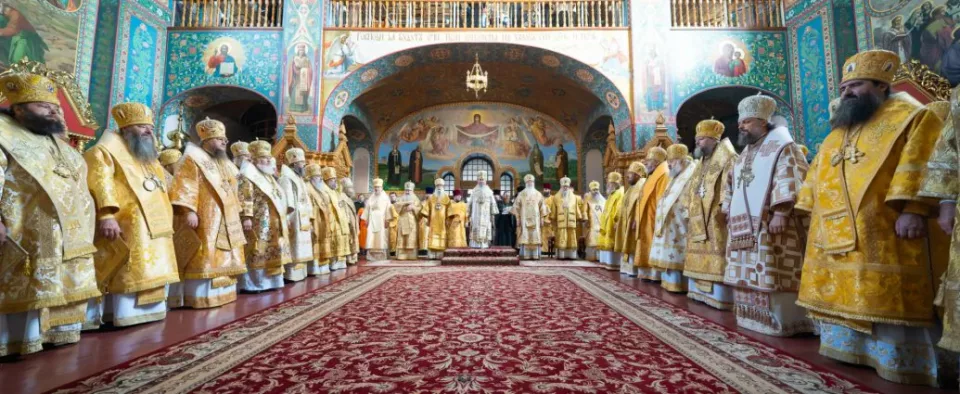
The attempt by TRC staff to mobilize Metropolitan Sergius (Anitsoi) of Tulchin and Bratslav once again poses serious challenges for the Church, which the UOC is unlikely to be able to overcome on its own. The Church’s enemies have decided to exploit the Gospel principle, “I will strike the shepherd, and the sheep of the flock will be scattered,” to sow discord and instability within the administrative structure of the UOC.
It should be made clear from the outset to dispel the widespread belief that only those bishops who did not support the decisions of the Council in Theophania are allegedly subject to these mobilizations. In fact, the situation with Metropolitan Sergiy is far from the first instance of a UOC bishop being detained by TRC officials. Of the incidents that received widespread media coverage, there are at least four known cases of mobilization involving UOC hierarchs, and none of the four belong to the camp of Theophania’s opponents. The first to be detained in this matter was Bishop Seraphim of Novovorontsov; the second was Metropolitan Vladimir of Volyn and Kovel; the third was Archbishop Andrei of Petropavlovsk, and the fourth was Bishop Nikita of Ivano-Frankivsk.
At the same time, we have learned from unofficial sources that those bishops of the UOC considered opponents of the decisions of the Council in Theophania have been detained on multiple occasions at checkpoints. They were searched—as, in principle, were many others—but were ultimately released without being detained. In one such instance, SBU officers were called in to search the car of one of the metropolitans, but the incident came to nothing.
It is necessary to highlight these details in order to dispel manipulation and speculation on this matter—absolutely everyone is subject to mobilization, and at checkpoints, no one is asked whether they support the decisions of the Theophany Council or not. However, this is hardly surprising, since the authorities, by exerting multifaceted pressure on the Church, aim to completely eliminate the UOC by integrating it into the OCU. In this regard, it must be understood that the inability of the clergy of the UOC to obtain a deferment from mobilization is merely one of the mechanisms of pressure.
The situation is different when it comes to UOC hierarchs who have been stripped of their Ukrainian citizenship. If this practice continues to be implemented, there will undoubtedly be a risk of deportation from the country or, alternatively, offers that the target of this pressure will be unable to refuse. In such a case, the church leadership will undoubtedly have to find a way out of the current situation; however, this is unlikely to have a significant impact on the overall situation within the UOC.
It must be understood that the Church still has a very extensive pool of personnel. Even if bishops were to be mobilized en masse, this would still not significantly affect the situation within the Church. First, because a significant portion of the UOC’s episcopate is not subject to mobilization due to being 60 or older; and second, many UOC bishops have been granted deferments from military service for health reasons. Furthermore, the Church has more than enough candidates for episcopal office who, in an unforeseen situation, could always replace those who have been mobilized.
And although there are no personnel issues within the UOC, this approach to the matter can hardly be called a solution to the current situation. The issue of the mobilization of the episcopate and clergy of the Ukrainian Orthodox Church must be addressed comprehensively and with the involvement of relevant organizations that defend the rights of religious organizations around the world. Fortunately, the UOC itself recently launched a hotline to provide legal assistance to priests of the Church who have been forcibly mobilized. This development offers hope that the situation will finally begin to move forward.
Read also