The Crisis at St. Catherine’s Monastery on Mount Sinai: Internal Disagreements and Negotiations with Egypt
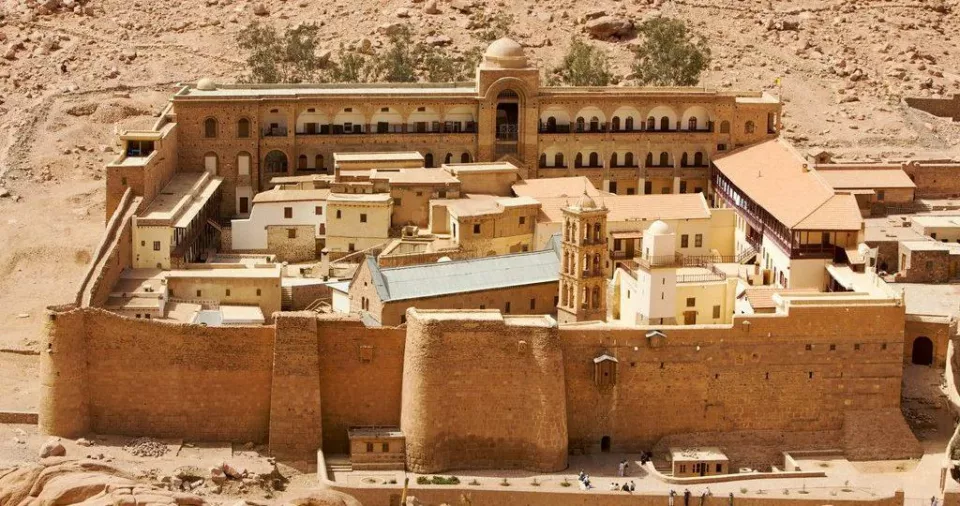
St. Catherine’s Monastery on Mount Sinai is undergoing a period of profound instability caused by internal disagreements within the monastic community and a complex negotiation process with the Egyptian authorities. According to Vima Orthodoxias, the situation is further complicated by Archbishop Simeon’s health and the active intervention of his predecessor, Damian.
Internal opposition within the Sinai monastic community is divided into several factions that cannot reach a consensus regarding the monastery’s future or their assessment of the previous leadership’s actions. Despite hopes for reconciliation following the election of Archbishop Simeon, unity within the community has not yet been achieved, a situation that, according to the hierarchs of the Greek Orthodox Church, is exacerbated by the current abbot’s frequent illnesses. The press is increasingly discussing scenarios involving Simeon’s possible resignation and Damian’s temporary return, although there is no official confirmation of this information.
Former Archbishop Damian has issued a harsh criticism, emphasizing that property rights are a fundamental condition for the brotherhood’s presence on Sinai. He publicly refuted reports that he allegedly recognizes the Egyptian state’s property rights to the monastery’s lands and declared his readiness to defend the monastery’s interests through legal means. Political tensions surrounding the issue are also mounting: MP Rena Dourou expressed concern that the ongoing negotiations could lead to the loss of the monastery’s property rights, demanding clarification from the Greek government.
Currently, the Greek Ministry of Foreign Affairs emphasizes that the final decision on whether to accept the terms of the agreement must rest with the monastery itself. However, experts note that until the monastic community reaches a unified position, securing long-term guarantees regarding the safety and legal status of the property remains difficult amid ongoing legal proceedings in Egypt.
Read also