“National security is not a reason to restrict religious freedom,” - UN representative on the ban of the UOC
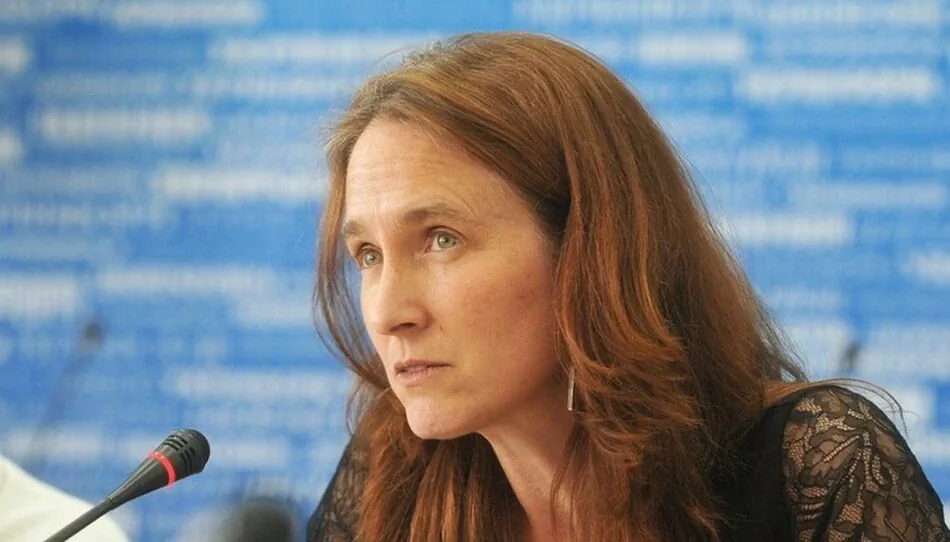
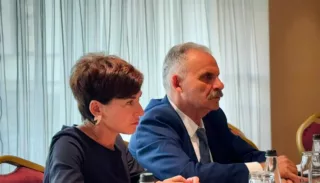
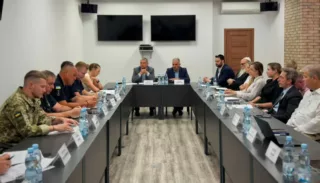
Noelle Calhoun, Deputy Head of the UN Human Rights Monitoring Mission in Ukraine, who participated in a press conference organized by SSERF entitled “Freedom of Conscience in Ukraine: Its Enemies and Defenders,” confirmed the organization’s position on the ban on the Ukrainian Orthodox Church. Calhoun said that protecting national security is not a sufficient reason to restrict freedom of religion. The UN representative’s comment was reported by Ukrinform.
“International standards set a high threshold of requirements for imposing restrictions on freedom of religion. These restrictions must have a legitimate aim, such as the protection of the rights and freedoms of others. We know that with regard to other rights, the state can indeed invoke national security when it imposes restrictions, for example, on freedom of expression. However, national security is not a permissible ground for restricting freedom of religion under international and European law,” – Calhoun said.
The UN representative added that the organization is going to monitor the violations of the rights of believers in the coming months, when the provisions of the scandalous law No. 3894, aimed at banning the UOC, will come into force.
“When the state restricts freedom of religion, it bears the burden of proving that the restrictions imposed are necessary. And secondly, they must be proportional. In this case, when the legislation affects religious organizations, the state must argue that less restrictive measures would be insufficient. The most important question is how this law will affect human rights. Much depends on its future application. We would like to cooperate with you and religious organizations in the coming months, when the Cabinet of Ministers will be issuing bylaws in the process of implementing the law, to continue to support Ukraine and preserve this valuable tradition of protecting religious rights,” – Calhoun concluded.
Earlier, a citizen of the Russian Federation and head of the Crimean Diocese of the OCU, Klyment Kushch, criticized the UN for the report of the Office of the High Commissioner for Human Rights, which indicates that the norms of the scandalous law No. 3894, aimed at banning the activities of the Ukrainian Orthodox Church, do not comply with international law. Kushch accused the United Nations of protecting the UOC, which, in his opinion, is a “Russian paramilitary structure.”
Read also